







Blog

Alfalfa Baling Machine: How to Choose the Right Equipment
Why buyers search for an alfalfa baling machine in the first place

An Alfalfa baling machine is usually sought by operators who need to turn loose crop material into manageable bales, but the phrase can point to more than one kind of equipment depending on the context. In farming, it usually means a hay baler built for alfalfa: a machine that gathers cut crop, compresses it, and forms bales for storage, transport, or feed use. In industrial equipment listings, however, people sometimes use the same wording loosely when they are actually looking at hydraulic balers or compactors. That matters, because the wrong machine can waste money, space, and a fair bit of seasonal urgency.
If you are comparing equipment for alfalfa handling, the real decision is not just “bale or no bale.” It is whether the machine matches crop moisture, field conditions, output target, bale handling method, and the downstream buyer’s expectations. Alfalfa is a sensitive crop. It can lose quality quickly if it is over-dried, under-dried, or packed in a way that encourages spoilage. So the equipment choice affects yield, appearance, storage life, and labor efficiency all at once.
First, separate hay equipment from industrial balers
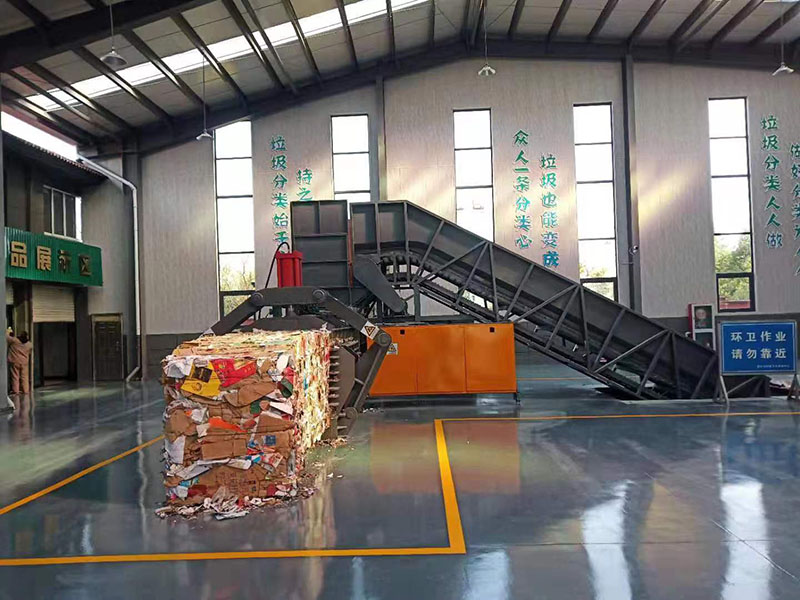
This distinction is worth making up front, because the visual language around balers can be confusing. A traditional alfalfa hay baler is a farm machine designed to collect crop residue from a windrow and compress it into small square or round bales. A recycling-style hydraulic baler, by contrast, is built for cardboard, film, textiles, or general waste reduction. It uses a chamber, hydraulic cylinders, and a heavy steel frame to compact loose material into dense blocks or bales.
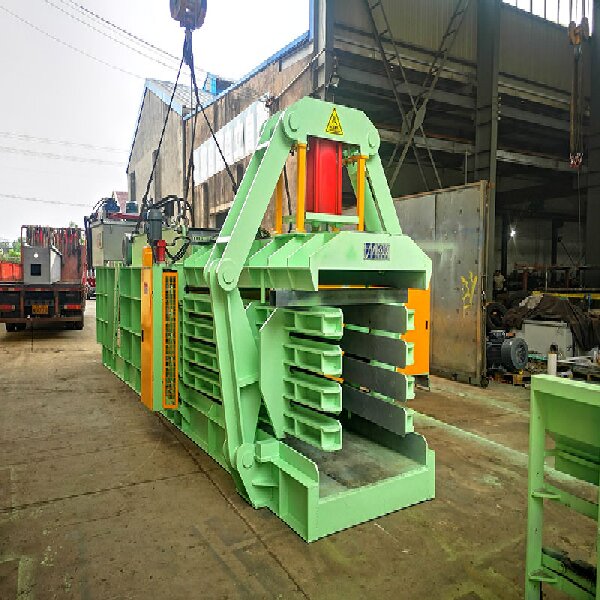
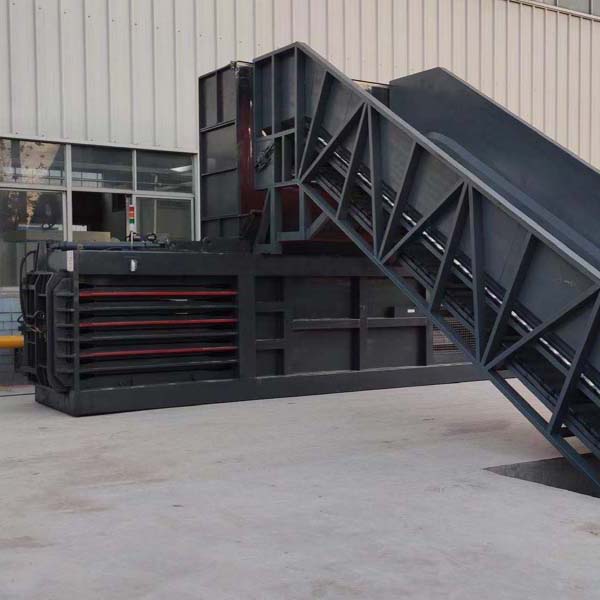
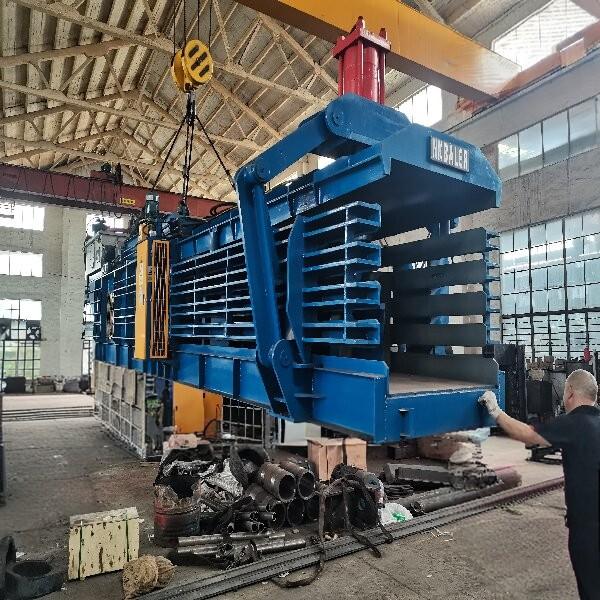
The equipment description supplied here points to a stationary, floor-mounted hydraulic press with a welded steel body, hopper, hydraulic assemblies, and a control cabinet. Those are useful industrial features, but they do not describe a field hay machine. So if you are a farm buyer, treat this as a reminder to verify the machine type before moving any further.
What a farm buyer usually needs in an alfalfa baler
For alfalfa, the important questions are practical: will the baler handle the crop at the right moisture, can it keep up with harvest pace, and what bale format does your storage and customer base prefer? Small square bales are still common where labor and feed distribution matter. Round bales make sense when handling efficiency and outdoor storage dominate. Large square bales are usually chosen for commercial feed channels where transport density and mechanized feeding are priorities.
The machine should also match the field setup. A baler that performs well on clean, even windrows may struggle if crop volume varies or if the ground is uneven. That is the kind of detail buyers sometimes learn the hard way.
What this industrial hydraulic machine tells us about build quality
Although the provided product information does not confirm a farm baler, it does reveal several construction features that are worth noting because they indicate how industrial equipment is typically built. The visible machine has a heavy welded steel structure, enclosed side framing, a rectangular feed area, hydraulic cylinders and hose lines, and a machine-mounted control panel. In plain terms, it looks like equipment designed to work hard in a fixed location.
That matters for buyers who care about durability. In baling and compaction equipment, the frame does much of the real work. If a machine flexes under pressure, performance becomes inconsistent and wear increases. Weld quality, guarding, access for maintenance, and hose routing all affect how the machine behaves after months of use, not just how it looks on delivery day.
For a recycling-yard baler, those features support repeated compaction cycles and safer operation around loose material. For an agricultural baler, the same general idea applies differently: the machine must survive vibration, dust, crop residue, and long hours in seasonal service. Different use case, same engineering principle.
Quick comparison: farm alfalfa baling versus industrial compaction
If you are not sure which category your project falls into, this short comparison usually clears things up.
Alfalfa baling machine
Designed for crop handling.
Produces bales from windrowed alfalfa.
Needs to respect forage moisture and bale density.
Often evaluated by bale format, pickup performance, and field throughput.
Hydraulic industrial baler
Designed for waste reduction or recycling.
Compresses cardboard, film, textiles, or light scrap.
Uses hydraulic pressure in a fixed footprint.
Often evaluated by chamber size, force, cycle time, and bale handling logistics.
That split sounds obvious, but buyers still confuse the terms, especially when sourcing from broad machinery catalogs. A little caution here saves a lot of back-and-forth with suppliers.
Selection criteria that matter more than brochure language
When people shop for an alfalfa baler, they tend to focus on horsepower or bale appearance first. Those are not irrelevant, but they are only part of the picture. A better starting point is the crop flow.
How much alfalfa are you baling per hour during peak season? What moisture range do you usually hit? Are you feeding dairy, export, horse markets, or local livestock customers? Each of those paths puts different pressure on bale size, density, and packaging consistency.
You should also think about handling after the bale leaves the machine. A bale that is technically perfect but awkward to move can slow the whole operation. Fork spacing, wagon loading, storage height, and transport trailer dimensions all matter. This is where a machine selection can look fine on paper and still disappoint in the yard.
For industrial hydraulic balers, the equivalent questions are chamber size, feed method, discharge style, and whether the material is loose, springy, or slippery. Cardboard behaves differently from plastic film, and both behave differently from textile scrap. The machine has to tame the material, not just squeeze it.
Common mistakes buyers make
One common mistake is assuming all balers are interchangeable because they “make bales.” They do not. A farm baler and a compaction machine solve different problems.
Another mistake is buying for peak output only. That sounds efficient until the machine must be cleaned, adjusted, or repaired in the middle of harvest. Real-world uptime often matters more than one impressive specification.
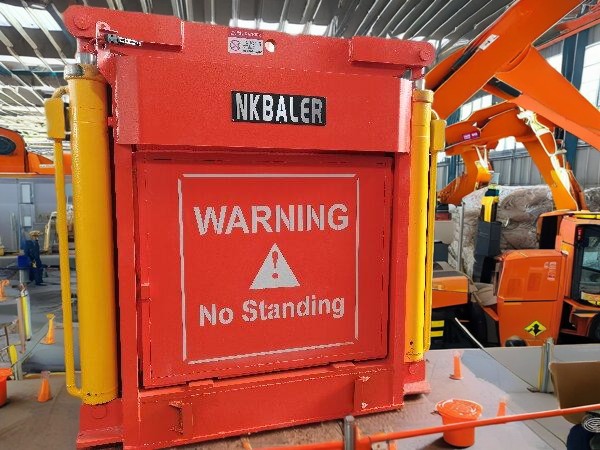
A third mistake is ignoring service access. Hydraulic equipment especially rewards buyers who think ahead about hoses, seals, guards, electrical panels, and routine inspection points. If maintenance is awkward, small issues become downtime.
There is also the moisture issue, which should not be brushed aside. Alfalfa quality can suffer if the crop is baled at the wrong stage. Even a strong machine cannot fix poor crop timing.
Practical advice for sourcing teams and farm managers
If you are buying an alfalfa baling machine for agricultural use, ask suppliers for the exact machine type, bale format, pickup arrangement, and recommended crop conditions. If the supplier offers only generic language, press for clarification. A good vendor will not mind the question.
If you are buying industrial baling equipment, review the machine layout, frame construction, hydraulic integration, and control access. The described unit’s enclosed steel body and integrated cabinet suggest a serious industrial installation, which is useful in recycling yards and waste-handling sites where durability and safety are central concerns.
Either way, do not let photos do all the talking. A machine can look rugged and still be wrong for your material stream.
FAQ buyers usually ask
Is an alfalfa baling machine the same as a hydraulic baler?
Not usually. In farm use, the term refers to hay equipment. In industrial use, a hydraulic baler is typically for recycling or waste compaction.
What should I check before buying for alfalfa?
Confirm bale type, field capacity, moisture suitability, handling method, and whether the machine fits your storage and transport setup.
Why does the machine frame matter so much?
Because compression equipment depends on structure. A weak frame or poor enclosure design can shorten service life and reduce consistency.
Can one machine handle both farm crop and industrial waste?
No, not in any sensible way. The materials, operating conditions, and safety requirements are too different.
What to do next
If you are sourcing for farm use, start by defining the bale format and the harvest conditions, then compare machines built specifically for alfalfa. If you are actually evaluating the industrial machine described above, treat it as a hydraulic baling or compaction system and request confirmation of material compatibility, chamber size, power requirements, and safety configuration before you price it.
That one step—naming the machine correctly—usually saves more time than any glossy spec sheet ever will.
Recent Posts
Get In Touch With Us Now For A Product Quote


Hello! What do you need help with?