







Blog

Alfalfa Baling Machine: How to Choose the Right Hay Baler
Why buyers keep asking about an alfalfa baling machine
An Alfalfa baling machine is not just a piece of farm equipment; for many operations it is the difference between loose forage that is awkward to move and a crop that can be stored, loaded, and sold efficiently. If you are comparing equipment for a hay operation, a custom baling crew, or a farm supply line, the real question is usually not whether the machine can make a bale. It is whether it can make the right bale, at the right speed, with a crop that is often drier, leafier, and more fragile than people expect.
That is why buyers often start by looking at the broader category: the alfalfa baler, the hay baling machine, and the alfalfa hay baler. Those names are sometimes used interchangeably, but the details matter. Alfalfa is valuable because of its protein content and feed quality, yet it is also easy to damage if the machine is too aggressive or the setup is off. A machine that handles rough grass hay reasonably well may still be a poor fit for alfalfa if it shatters leaves, leaves uneven density, or struggles with feeding in long, fibrous windrows.

What the equipment category is really trying to solve
On a practical level, a baling machine is there to reduce volume, improve handling, and protect product quality. In forage terms, that means creating a bale that can be stacked, transported, and stored without wasting labor or exposing the crop to unnecessary weather damage. For alfalfa, this is especially important because the crop can lose value quickly if it sits in the field too long or if bales are inconsistent and hard to handle downstream.
Buyers tend to focus on horsepower and bale count, but those are only part of the story. Feeding behavior, knotting or tying reliability, pickup performance, and chamber design can matter just as much. A machine that seems productive on paper may still slow the whole line if it leaves too much material behind or requires constant operator attention. That is true whether you run a small farm, a contractor fleet, or a larger agricultural supply operation.
Quick comparison: what to look at first
Before getting lost in specifications, it helps to sort the machine by the job it is meant to do.
Small farm use: Usually favors easier operation, lower upkeep, and flexible bale sizes. Simplicity often beats maximum throughput.
Commercial hay production: Prioritizes output, crop consistency, and dependable tying or wrapping. Downtime is expensive here, even if the machine is mechanically simple.
Custom baling service: Needs speed, field reliability, and a machine that can cope with changing crop conditions over long hours.
Feed and storage planning: Needs bale density and uniformity, because poor consistency complicates stacking, transport, and inventory control.
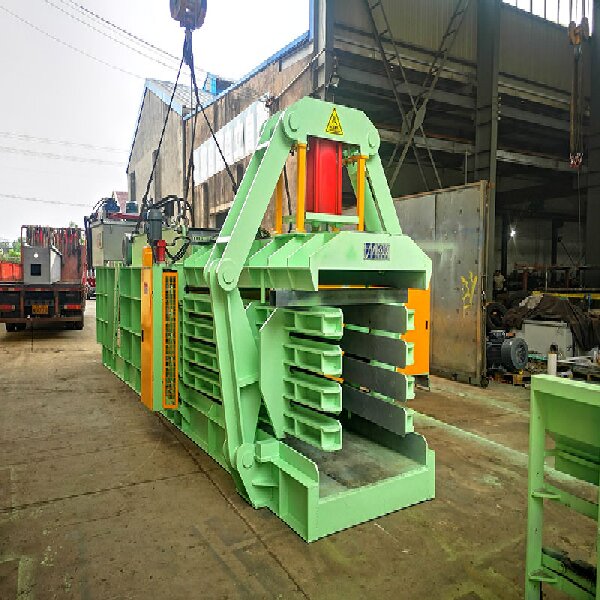
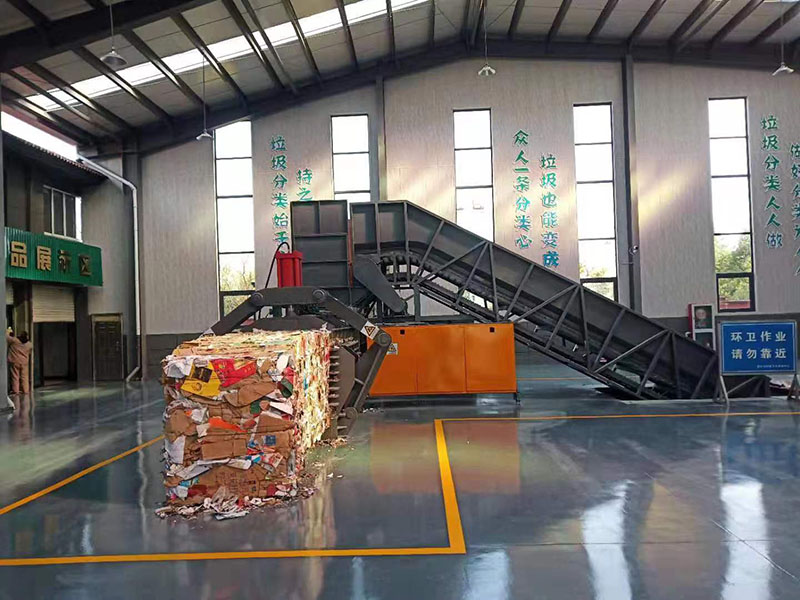
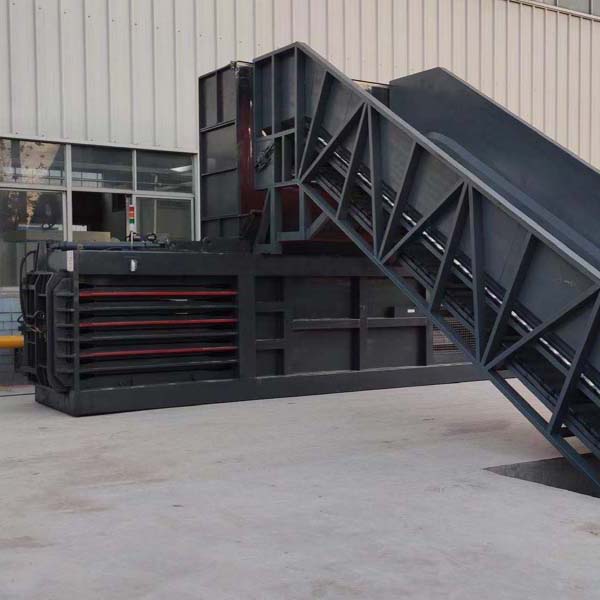
If the machine is being sourced for a broader industrial environment, the same logic applies in a different form. The heavy welded steel frame, hydraulic system, and large chamber layout described in industrial balers show how much attention buyers place on throughput, structural strength, and control. In agriculture, the surface requirements differ, but the selection mindset is similar: make sure the machine matches the material and the workflow, not just the catalog description.
Core machine types and how they differ
Round balers
Round balers are often valued for their relative efficiency in the field and their ability to form compact rolls that are easier to roll, lift, or unroll later. For alfalfa, operators often care about how gently the machine handles the crop and whether bale density can be controlled enough to reduce spoilage risk.
Small square balers
Small square balers remain a common choice where manual handling, retail feed sales, or horse hay markets are involved. They usually offer convenient bale sizes and easier stacking, but they can be more labor-intensive overall. A good alfalfa baler in this category should maintain consistency across long rows without turning fine leaf material into dust.
Large square balers
Large square balers serve high-throughput operations and commercial logistics. They are useful when labor efficiency and transport density matter more than hand handling. For alfalfa, the attraction is often bale uniformity and shipment efficiency, though the capital cost and maintenance expectations are higher.
Selection criteria that matter more than glossy brochures
There are a few practical checks buyers should keep in front of them when reviewing any hay baling machine.
Crop condition: Alfalfa is not always baled at the same moisture level, and the machine has to suit the field conditions you actually see, not the ideal conditions printed in a brochure.
Bale quality: Density, shape, and tie integrity matter because uneven bales waste storage space and create handling headaches later.
Field performance: Pickup efficiency, plugging resistance, and operator visibility are easy to overlook until the first busy day in the field.
Maintenance access: Bearings, belts, knots, chains, and hydraulic components should be accessible. If routine service is awkward, the machine will cost more than expected over a season.
Power and drive requirements: A baler that is overmatched by the tractor or power source tends to show it quickly, usually in poor output or mechanical strain.
Transport and storage logistics: The way bales will be stacked, moved, and sold should influence the size and format of the bale itself.
One practical caution: do not assume the most aggressive machine is the best one for alfalfa. Too much compression, poor timing, or rough handling can reduce leaf retention, which is where much of the feed value lives. That is a common buyer mistake, and it shows up later as a quality complaint rather than a machine complaint.
What industrial baler design teaches forage buyers
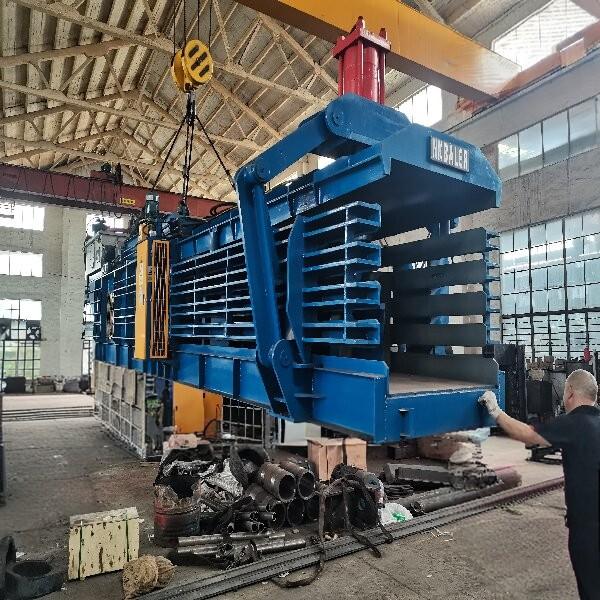
Even though the visible product data here describes a heavy industrial hydraulic baler rather than a field hay machine, the structure tells us something useful about equipment design more broadly. The machine uses a welded steel body, a large chamber, external hydraulic cylinders, visible hoses, and a dedicated control cabinet. Those are signs of a system designed for repeated compression work, controlled operation, and structural durability under load.
In agricultural baling, the same principles show up in different form. The frame must resist twisting, the feed path must stay clear, and the powertrain must deliver repeatable movement without excessive wear. Buyers comparing an alfalfa hay baler should think in those terms. A tidy spec sheet is not enough; the real issue is whether the machine is built to survive the season when the crop is heavy, the weather turns, and the crew needs the baler to keep moving.
Common buying mistakes
One mistake is buying for acreage alone. Acreage matters, but crop type, field shape, labor availability, and storage layout are just as important. A smaller machine may be the better business decision if it produces consistent bales and avoids overloading your workflow.
Another mistake is underestimating maintenance time. Hay equipment lives in dust, vibration, and long operating days. If the machine is difficult to grease, inspect, or adjust, small issues become seasonal downtime.
A third mistake is ignoring downstream handling. If the bales are awkward for the barn, truck, or buyer, the machine may be producing product that looks fine in the field but creates costs everywhere else.
Buyer-facing questions worth asking before purchase
What bale size do I need for my storage and transport setup?
How delicate is my alfalfa crop, and how much leaf loss can I tolerate?
Will the machine be run by one operator or a crew?
How easy is it to service the pickup, chamber, tying system, and drive components?
Can my existing tractor or power source comfortably run the machine through a full day?
If a supplier cannot answer those questions clearly, keep digging. It is better to pause than to buy a machine that only works well in ideal conditions.
Practical takeaway for sourcing teams
When sourcing an alfalfa baling machine, the right decision usually comes from matching the machine to the crop, the labor model, and the handling chain after the bale leaves the field. For smaller operators, ease of use and dependable output may be more valuable than maximum speed. For commercial users, consistent bale quality and uptime usually dominate the conversation.
And if you are comparing models across suppliers, ask for the details that are easy to verify and hard to fake: build quality, service access, material flow behavior, and how the machine handles real alfalfa conditions. The strongest equipment is not always the most complicated one. In forage work, reliability and crop care still carry the most weight.
FAQ
Is an alfalfa baler different from a general hay baling machine?
Often yes, at least in how it is evaluated. The machine may be similar in principle, but alfalfa places more emphasis on gentle crop handling and bale consistency.
Why does bale density matter so much?
Density affects transport efficiency, storage stability, and sometimes product quality. Too loose, and you waste space. Too dense or poorly formed, and you can create handling or feed-quality issues.
Should I choose the biggest machine available?
Not automatically. Bigger machines can improve throughput, but only if your acreage, labor, tractor power, and storage system justify them.
Next step
If you are comparing an alfalfa baler against other forage equipment, start with the crop you actually grow, the bale format your buyers want, and the maintenance time your crew can realistically handle. That shortlist will narrow the field much faster than brand names or headline output claims. Once those basics are clear, you can evaluate machines on the details that matter in real work, not showroom conditions.
Recent Posts
Get In Touch With Us Now For A Product Quote


Hello! What do you need help with?