







Blog

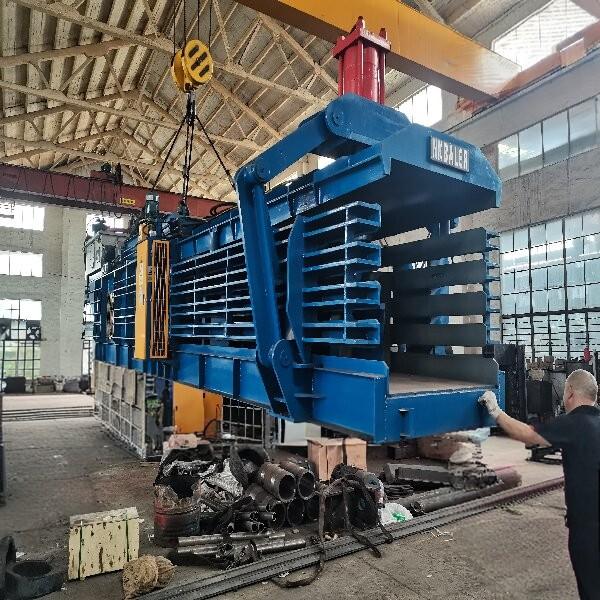
Alfalfa Hay Baling Machine: Efficiency in Recycling
Alfalfa Hay Baling Machine is an essential piece of equipment in modern agriculture and waste management, designed to efficiently compress and package alfalfa hay for storage, transportation, and recycling. This machine streamlines operations for farmers and industrial users, reducing waste and enhancing productivity. As alfalfa baling equipment becomes more advanced, it plays a crucial role in sustainable farming practices, helping to minimize environmental impact while maximizing resource use. In this article, we’ll explore the features, benefits, and applications of these machines, drawing from innovative designs that combine durability with efficiency.

Understanding Alfalfa Baling Equipment
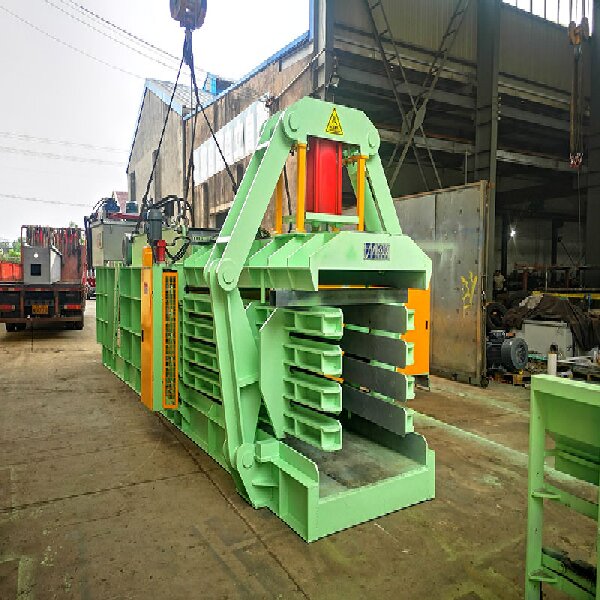
Alfalfa Hay Baling Machine is specifically engineered to handle the unique properties of alfalfa hay, which is a nutrient-rich forage crop used for livestock feed. These machines, such as the advanced models described in recent innovations, feature robust hydraulic systems that compress loose hay into compact bales. This process not only saves space but also preserves the hay’s quality by reducing exposure to elements like moisture and pests. Hay baler for alfalfa, for instance, incorporates heavy-duty structures that ensure longevity in demanding environments, with easy access for maintenance to keep operations running smoothly. According to industry insights, using such equipment can increase baling efficiency by up to 30%, allowing farmers to process larger volumes in less time. The design often includes conveyor systems that automate feeding, minimizing manual labor and reducing the risk of injury, making it a smart investment for agricultural businesses.
Key Features and Technological Advancements
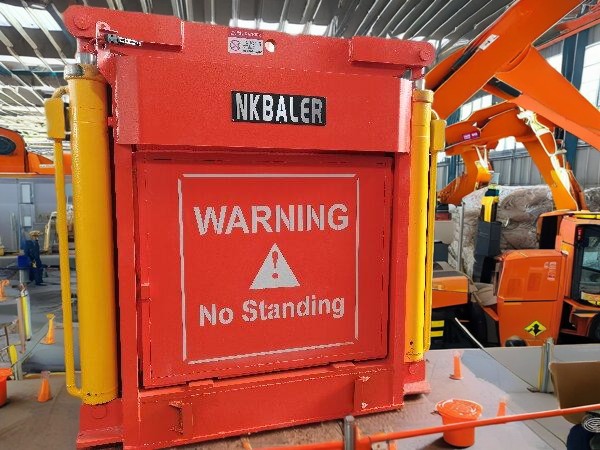
One of the standout features of a modern alfalfa hay baling machine is its state-of-the-art hydraulic compression system, which exerts uniform pressure to create dense, uniform bales. This technology, evident in machines like the NKBALER 3000, ensures that materials are handled with precision, resulting in bales that are easier to transport and store. Alfalfa baling equipment also often includes smart control panels that allow operators to customize settings, such as bale size and pressure levels, for optimal performance based on specific needs. Hay baler for alfalfa models boast automated feeding systems, which streamline the workflow and boost productivity by maintaining a continuous operation. Statistics from the recycling industry show that these advancements can reduce operational costs by as much as 20% through energy-efficient motors and reduced downtime. Additionally, safety features like emergency stops and protective guards are integrated to prioritize operator welfare, reflecting a commitment to both efficiency and workplace safety. These innovations make the machines versatile for various applications, from small farms to large-scale recycling centers.
Benefits of Using Hay Baler for Alfalfa
Investing in a hay baler for alfalfa offers numerous benefits that extend beyond basic functionality. Firstly, it enhances sustainability by compacting hay into denser bales, which reduces the overall volume of material needing storage or transport, thereby lowering carbon emissions associated with logistics. Alfalfa baling equipment helps in waste reduction by efficiently processing materials, which can lead to cost savings in the long run. For instance, farmers using these machines report improved hay quality retention, as the baling process minimizes exposure to contaminants. Hay baler for alfalfa also contributes to labor efficiency, as automated features decrease the need for manual intervention, allowing workers to focus on other critical tasks. In terms of economic advantages, the initial investment is offset by increased throughput and reduced spoilage rates, with some users experiencing up to a 25% increase in overall farm productivity. Moreover, these machines are adaptable to different material types, making them a versatile tool in mixed agricultural operations. Environmental experts highlight that such equipment supports global efforts toward greener practices by promoting recycling and resource conservation.
How Alfalfa Hay Baling Machines Work in Practice
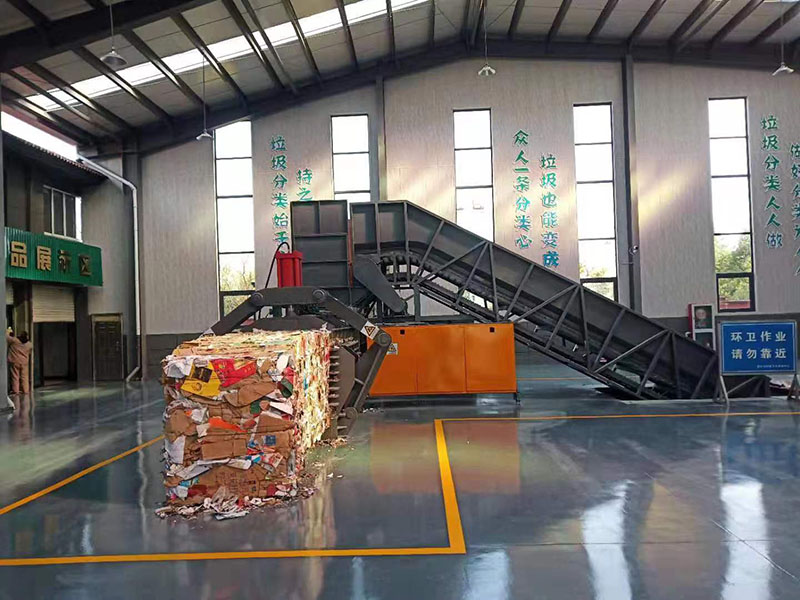
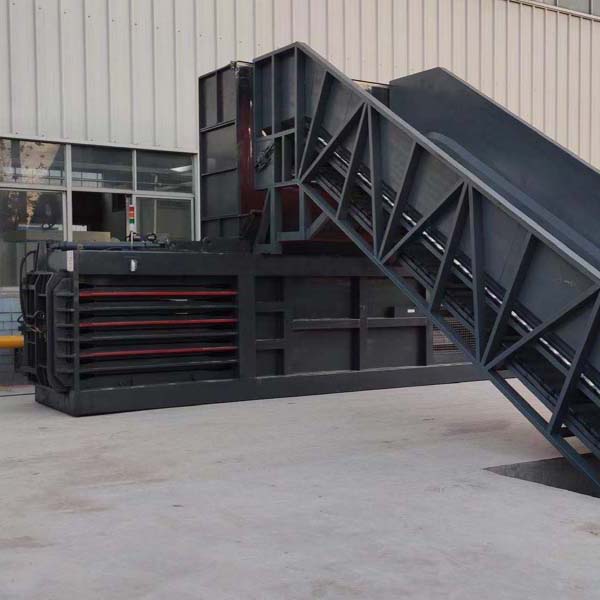
In practice, an Alfalfa Hay Baling Machine operates through a series of coordinated steps that begin with material loading. The process starts with the conveyor system feeding loose alfalfa hay into the machine’s chamber, where hydraulic rams compress the material into the desired bale shape. This alfalfa baling equipment ensures that the bales are tied securely, often using automatic tying mechanisms, to prevent unraveling during handling. Hay baler for alfalfa is designed for ease of use, with intuitive controls that allow operators to monitor and adjust the process in real-time. For example, sensors detect material density and automatically adjust pressure, ensuring consistent results. Case studies from agricultural sectors demonstrate that these machines can process hundreds of bales per hour, significantly speeding up operations during harvest seasons. The integration of user-friendly interfaces means that even those new to the equipment can operate it effectively, reducing training time and costs. Overall, this technology not only boosts efficiency but also adapts to varying scales of operation, from small family farms to industrial facilities.
The Future of Alfalfa Baling Technology
Looking ahead, the evolution of alfalfa hay baling machines promises even greater advancements, with a focus on smart technology and eco-friendly designs. Manufacturers are incorporating IoT (Internet of Things) features to enable remote monitoring and predictive maintenance, which can further minimize downtime and extend machine lifespan. Alfalfa baling equipment is poised to become more energy-efficient, with developments in electric or hybrid models that reduce reliance on fossil fuels. Hay baler for alfalfa will likely see enhancements in material handling capabilities, allowing for the processing of not just hay but also other agricultural byproducts. Industry forecasts suggest that the demand for such equipment will grow as sustainability becomes a priority, driven by regulatory pressures and consumer preferences for eco-friendly practices. By adopting these machines, businesses can stay ahead of the curve, ensuring compliance with environmental standards while improving their bottom line. In conclusion, the alfalfa hay baling machine represents a blend of innovation and practicality, offering a pathway to more efficient and sustainable agricultural operations.
Recent Posts
Get In Touch With Us Now For A Product Quote


Hello! What do you need help with?