







Blog

Buy Channel Baler China: Optimize Your Recycling Operations
When your business generates significant volumes of recyclable materials, making the decision to buy a Channel Baler China offers a path to enhanced efficiency and cost savings. These powerful machines are the backbone of modern recycling facilities and large-scale commercial operations, transforming bulky waste into dense, manageable bales. A high-quality Channel Baler not only streamlines your waste management process but also turns your recyclable materials into a valuable commodity. This guide will walk you through the essential factors to consider, ensuring you make a smart and informed investment.
1. Understanding the Core Technology: Channel Baler and Open end Baler
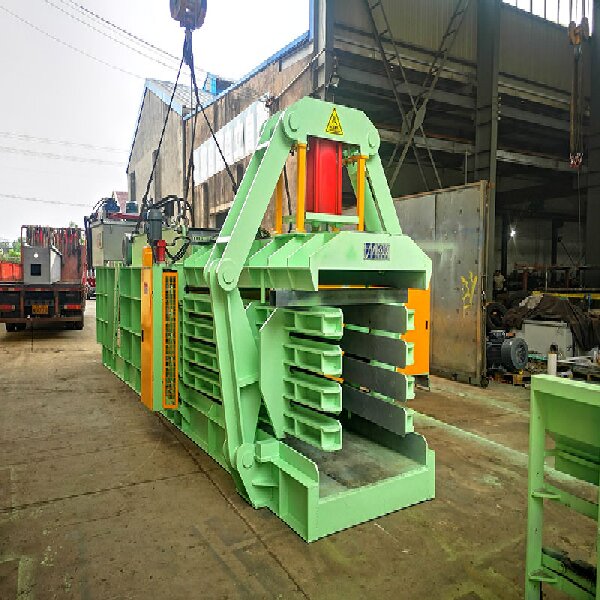
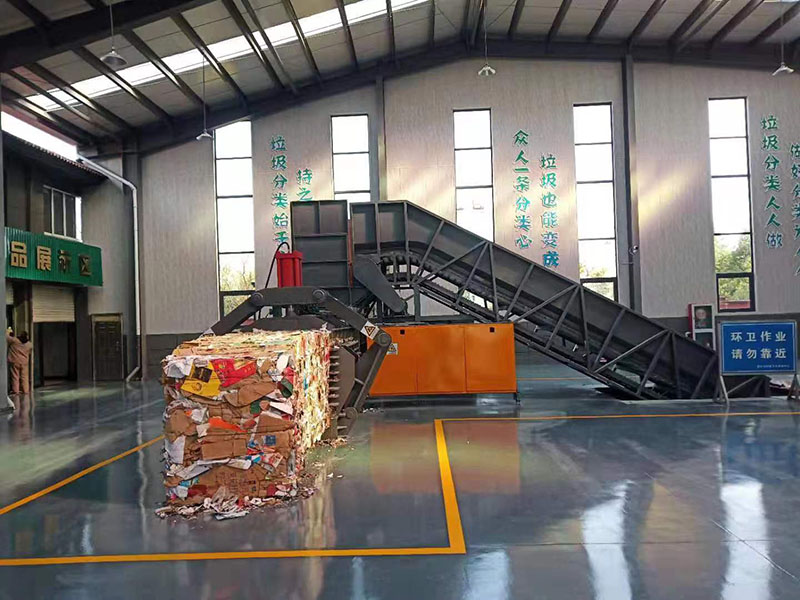
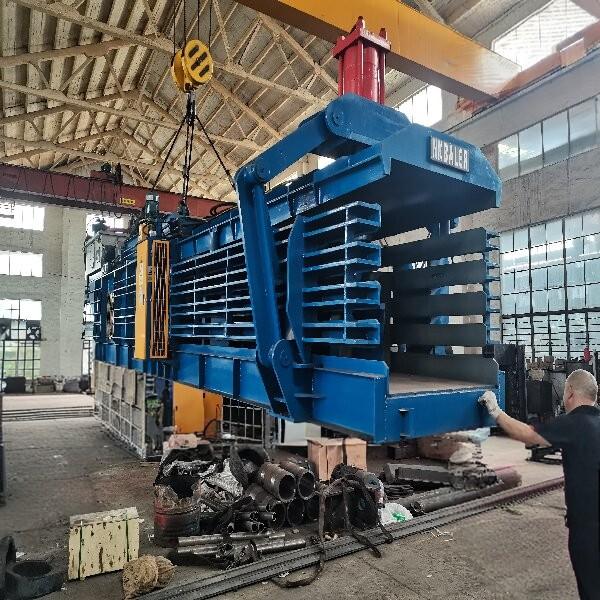
buy Channel Baler China, Channel Baler, often referred to as an Open end Baler, is a type of horizontal hydraulic baler designed for continuous, high-volume baling. Unlike vertical balers, materials are fed continuously into a hopper, often via a conveyor belt, and then automatically compressed into a long chamber or channel. The ‘open end’ design allows the compressed material to extrude continuously, being sheared off and tied into bales of a specific length. This design is what makes it ideal for processing large quantities of materials like cardboard, paper, PET bottles, and other recyclables without interruption. Our models, for example, feature a durable, blue steel frame engineered for longevity and resilience in the most demanding industrial environments. The sophisticated design ensures maximum compression and operational uptime. Understanding that the terms Channel Baler and Open end Baler are often used for the same continuous, automatic baling system is the first step in your purchasing journey.
2. The Power of Automation: The automatic tie baler machine
One of the most significant advancements in baling technology is automation, and the centerpiece of this is the automatic tie baler machine. Manually tying off dozens or hundreds of bales per day is a labor-intensive, time-consuming, and often inconsistent process.buy Channel Baler China, An automatic tie system uses a series of needles and knotters to wrap and tie the bales with wire automatically once they reach the desired length. This provides numerous benefits. Firstly, it drastically reduces labor costs and frees up your staff for more productive tasks. Secondly, it significantly increases throughput, allowing your facility to process more material in less time. Thirdly, it ensures every bale is tied with consistent tension, resulting in uniformly dense and stable bales that are safer to stack and cheaper to transport. Our machines feature an advanced, user-friendly interface that makes operating these automated functions simple and efficient. The automatic tie baler machine is truly a game-changer for high-volume recycling centers.
3. Calculating Your Throughput and Material Needs
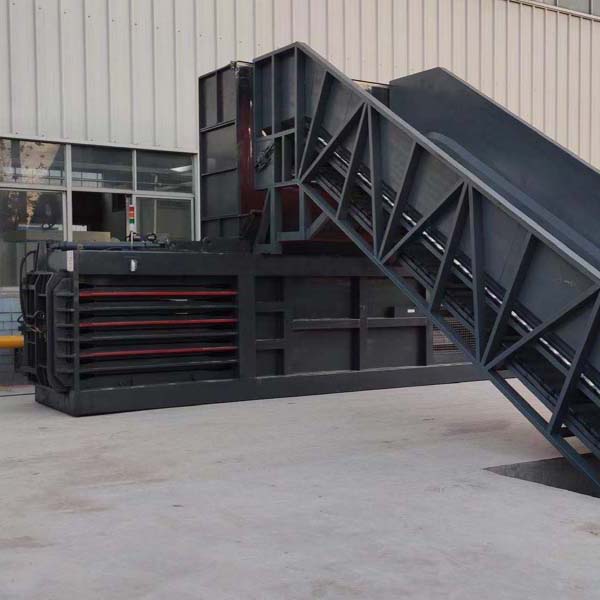
Before purchasing a baler, you must have a clear understanding of your operational needs. Start by analyzing the type and volume of materials you process daily. Are you primarily baling cardboard, paper, or a mix of plastics? Different materials have different densities and compression characteristics, which will influence the required press force. Next, calculate your peak volume. A baler that is too small will create a bottleneck in your operations, while one that is oversized represents an unnecessary capital expense. To support this throughput, a robust feeding system is essential. An industrial conveyor system, engineered for strength and efficiency, is a critical component. Look for features like a sturdy inclined belt with interlocking sections to ensure the seamless transportation of materials into the baler’s hopper, minimizing manual effort and maximizing productivity.
4. Prioritizing Build Quality and Structural Integrity
how do you buy Channel Baler China? When you decide to buy a baler from an international market, scrutinizing the build quality is paramount. These machines operate under immense pressure and are expected to run for many hours a day. Look for manufacturers who emphasize robust engineering and use high-grade materials. A heavy-duty steel frame is non-negotiable for ensuring stability and longevity. For instance, our state-of-the-art horizontal hydraulic balers are built with a durable, blue steel frame designed to withstand the rigors of any industrial setting. Pay attention to the quality of welds, the thickness of the steel plate in the compression chamber, and the durability of the ram. A well-built machine will not only last longer but will also operate more safely and require less maintenance over its lifespan, making it a more cost-effective investment in the long run.
5. Examining the Hydraulic System and Compression Force

The heart of any hydraulic baler is its hydraulic system. This system is responsible for generating the immense force needed to compress materials into dense bales. When evaluating a machine, inquire about the specifications of the hydraulic components, including the pump, cylinders, and valves. A system equipped with advanced hydraulic technology guarantees high and consistent compression force. This is critical for two reasons. First, higher density bales mean you can fit more material into a single transport container, significantly reducing your shipping costs. Second, dense and uniformly shaped bales are more stable and easier to stack, optimizing your warehouse space and improving on-site safety. The goal is to create compact, transport-ready bales that maximize the value of your recyclables.
6. Ensuring Operator Safety and Ease of Use
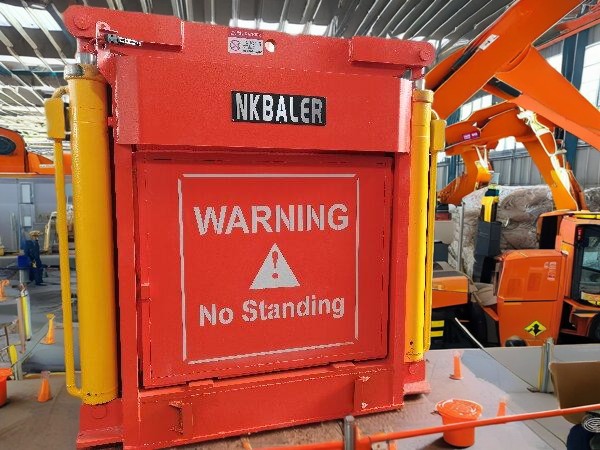
A powerful machine must also be a safe one. A modern automatic tie baler machine should be equipped with a comprehensive suite of safety features. These include emergency stop buttons, safety interlock switches on all access doors, and well-marked hazard warnings to ensure a secure working environment for operators. Beyond safety, ease of use is crucial for productivity. A complicated machine can lead to errors and downtime. Look for a baler with an intuitive, user-friendly control panel or interface. An integrated control unit that allows for precise adjustments and provides diagnostic information makes the machine easy to manage. This simplifies training for new operators and allows for quick troubleshooting, ensuring your baler enhances operational productivity rather than hindering it.
7. Considering After-Sales Support and Logistics
Your relationship with the manufacturer shouldn’t end once the purchase is made. When buying from overseas, after-sales support is a critical consideration. Inquire about the warranty period, the availability of spare parts, and the process for receiving technical support. A reliable manufacturer will have a clear system in place to assist you with installation, maintenance, and any potential issues. Furthermore, understand the logistics involved. Shipping a large, heavy machine like an Open end Baler requires careful planning. Confirm the shipping terms (FOB, CIF, etc.), estimated delivery times, and packaging methods to ensure your investment arrives safely and on schedule. Proactive communication and clear documentation from the supplier are signs of a trustworthy partner.
Investing in the right equipment is a transformative step for any business dealing with large-scale recycling. A high-quality Channel Baler streamlines your workflow, reduces labor costs, and maximizes the financial return on your recyclable materials. By carefully considering the technology, automation features, build quality, hydraulic power, safety, and after-sales support, you can confidently select a machine that will serve as a reliable and profitable asset for years to come. This due diligence ensures your investment is not just a purchase, but a strategic move towards a more efficient and sustainable operation.
Recent Posts
Get In Touch With Us Now For A Product Quote


Hello! What do you need help with?