







Blog

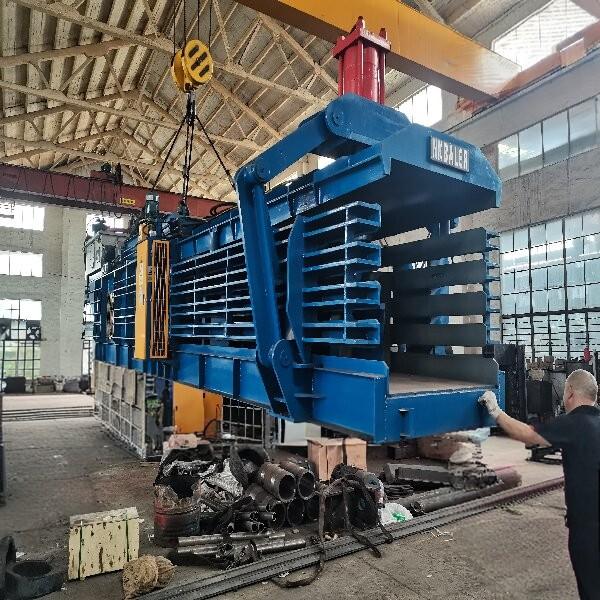
Differences: Fully vs Semi-Automatic Baler Machines
In the world of industrial waste management and material handling, understanding the difference between fully automatic baler and semi-automatic baler machines is crucial for optimizing operations. These machines play a pivotal role in compressing recyclable materials like cardboard, plastics, and metals, but they differ significantly in automation levels, efficiency, and suitability for various business needs. This article delves into a detailed comparison, highlighting how our state-of-the-art industrial balers, such as the Mega Packer 3000, embody the advantages of full automation while contrasting with semi-automatic options. By exploring these differences, businesses can make informed decisions to enhance productivity and reduce costs.

Operational Mechanisms: Automation vs. Manual Intervention
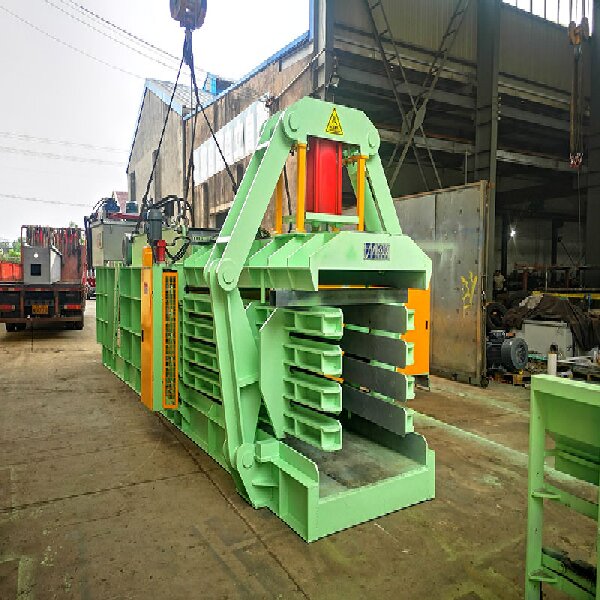
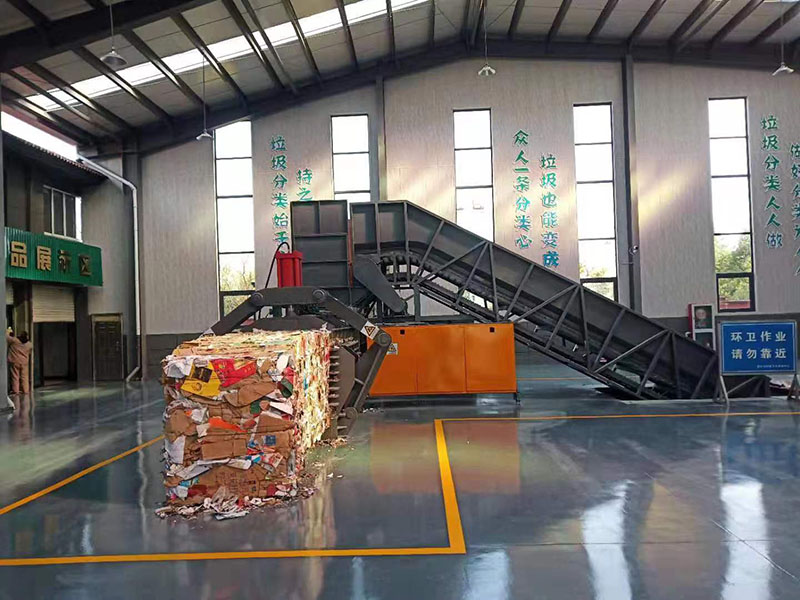
The core difference between fully automatic baler and semi-automatic baler machines lies in their operational workflows. A fully automatic baler operates with minimal human input, using advanced sensors and control systems to handle the entire process from material feeding to baling and ejection. For instance, our Mega Packer 3000 features an integrated conveyor system that automatically loads materials, compresses them with high-pressure hydraulics powered by a vivid yellow cylinder, and ejects bales without operator intervention. This seamless automation ensures continuous operation, ideal for high-volume environments like recycling plants or large distribution centers.
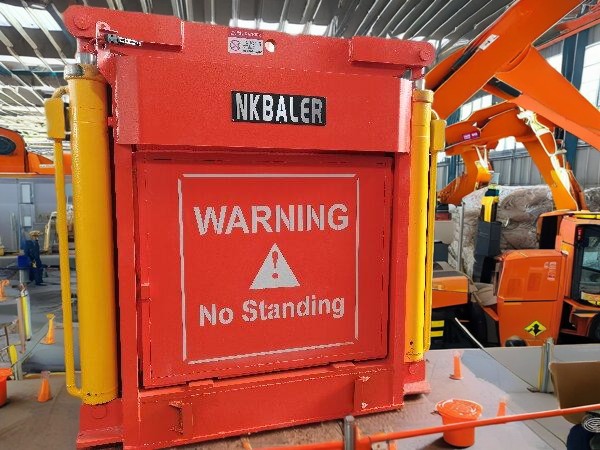
In contrast, a semi-automatic baler requires more manual oversight. Operators must typically load materials onto the feed chute or conveyor manually, initiate the compression cycle via a control panel, and sometimes remove bales afterward. While this setup reduces initial costs compared to fully automatic models, it introduces potential bottlenecks, especially during peak production times. The baler machine comparison reveals that semi-automatic versions, though reliable for smaller operations, demand more labor hours, which can inflate operational expenses over time. Our innovative designs, like the bold red panels on our fully automatic units, not only provide safety but also contribute to quieter, smoother performance that minimizes disruptions.
Efficiency and Productivity Gains
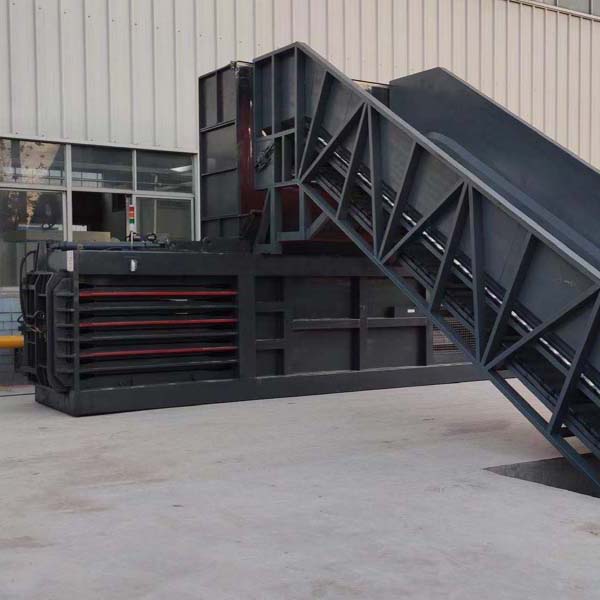
When examining automatic baler benefits, efficiency stands out as a primary advantage over semi-automatic counterparts. Fully automatic balers can process materials at rates exceeding 50 bales per hour, thanks to IoT-enabled sensors that monitor performance in real-time and adjust settings for optimal output. The Vanguard Conveyor System, for example, integrates flawlessly with our balers, offering a sleek, angled design in bold blue that optimizes workflow and reduces downtime through predictive maintenance. This level of automation translates to significant labor savings—operators can focus on higher-value tasks rather than repetitive loading, potentially cutting manpower needs by up to 70% in busy facilities.
Semi-automatic balers, on the other hand, typically achieve lower throughput, often limited to 20-30 bales per hour, as they rely on human timing for each cycle. This manual element can lead to inconsistencies, such as uneven bale density or delays during material jams. In a baler machine comparison, the trade-off becomes evident: while semi-automatic models are easier to install and maintain in space-constrained settings, they fall short in scalability for growing enterprises. Our fully automatic balers address these limitations with modular components and user-friendly interfaces, ensuring adaptability without compromising speed. Businesses using automatic systems often report enhanced storage efficiency, as the precise compression from advanced hydraulics results in denser bales that minimize transportation costs.
Cost Implications and Long-Term Value
Financially, the difference between fully automatic baler and semi-automatic baler machines manifests in upfront and ongoing expenses. Semi-automatic balers are more budget-friendly initially, with prices often 30-50% lower due to simpler mechanics and fewer electronic components. They suit small to medium-sized operations where volume is moderate, and the manual input aligns with available staff. However, over time, the hidden costs of increased labor, higher energy use from inefficient cycles, and frequent maintenance can erode these savings.
Conversely, the automatic baler benefits shine in long-term ROI calculations. Though the initial investment is higher—reflecting cutting-edge features like smart sensors and energy-efficient motors—our Mega Packer 3000, with its striking orange and blue palette and robust frame, delivers payback within 12-18 months through reduced operational costs. A detailed baler machine comparison shows that fully automatic models lower electricity bills by up to 25% via optimized hydraulics and quiet motors, while also enhancing workplace safety with automated safeguards. For industries embracing innovation, like automotive or logistics, the Vanguard system’s IoT capabilities provide data-driven insights that prevent breakdowns, extending machine lifespan beyond five years.
Safety, Maintenance, and Customization
Safety protocols further underscore the disparity between these baler types. Fully automatic balers incorporate advanced features such as automatic shut-off sensors and enclosed designs to prevent accidents, making them compliant with stringent industrial standards. Our red-paneled units, for instance, use elegant black hoses and protective barriers to ensure smooth, hazard-free operation, reducing injury risks in bustling environments.
Semi-automatic balers, while safer than manual alternatives, still expose operators to more direct interactions, increasing the chance of mishaps during loading or ejection. Maintenance for semi-automatic machines is straightforward but more frequent, often involving daily checks on manual components. In contrast, automatic baler benefits include remote diagnostics and easy-access panels, as seen in our designs, which minimize downtime and service calls. Customization is another edge: fully automatic balers offer modular expansions for diverse materials, whereas semi-automatic ones are more rigid, limiting adaptability.
Environmental and Sustainability Impact
From an eco-friendly perspective, the difference between fully automatic baler and semi-automatic baler machines impacts sustainability goals. Fully automatic systems promote greener practices by maximizing material compression, reducing waste volume, and optimizing energy use—key for companies pursuing certifications like ISO 14001. The Mega Packer 3000’s high-capacity handling supports recycling efficiency, turning more waste into reusable resources.
Semi-automatic balers contribute to sustainability but less effectively, as manual inefficiencies can lead to suboptimal baling and higher overall waste. In a baler machine comparison, automatic models align better with modern ESG (Environmental, Social, Governance) mandates, offering quantifiable reductions in carbon footprints through efficient operations. Businesses investing in our fully automatic solutions not only streamline processes but also position themselves as leaders in responsible manufacturing.
Ultimately, while semi-automatic balers serve niche, low-volume needs, the automatic baler benefits—superior efficiency, cost savings, and innovation—make fully automatic machines the superior choice for forward-thinking enterprises. By choosing our advanced industrial balers, companies can transform material handling into a competitive advantage, blending style, function, and performance for a sustainable future.
Recent Posts
Get In Touch With Us Now For A Product Quote


Hello! What do you need help with?