







Blog

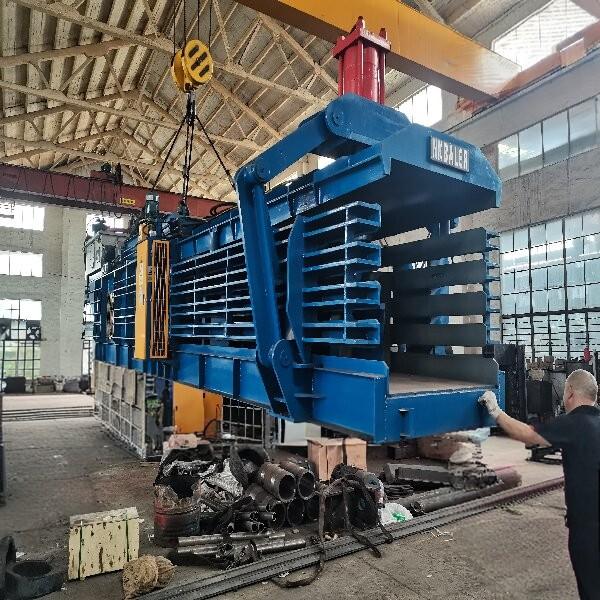
Efficient Waste Management with NKW220BD Heavy Duty Baler
Mastering Waste Management: A Comprehensive Guide to Using the NKW220BD Heavy Duty Horizontal Baler

In the world of industrial recycling and waste management, the NKW220BD Heavy Duty Horizontal Baler stands out as a powerhouse solution for businesses aiming to optimize their operations. This guide will walk you through everything you need to know about the NKW220BD Heavy Duty Horizontal Baler, from its key features to step-by-step instructions on setup, operation, and maintenance. Whether you’re in manufacturing, distribution, or recycling, understanding how to leverage this machine can transform your waste handling processes, reducing costs and enhancing sustainability.
Understanding the NKW220BD Heavy Duty Horizontal Baler: Key Features and Benefits
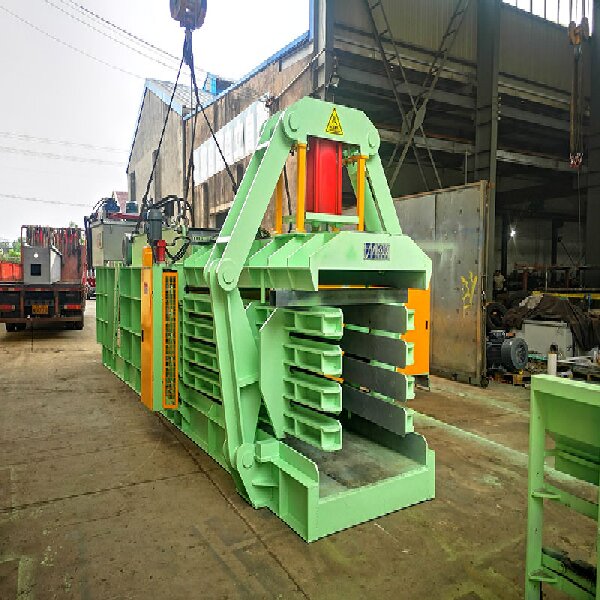
Before diving into the how-to aspects, it’s essential to grasp what makes the NKW220BD Heavy Duty Horizontal Baler a top choice for heavy-duty applications. Engineered for high-volume waste compression, this baler features a robust frame constructed from durable steel to endure the rigors of industrial environments. Its advanced hydraulic system delivers powerful compression, producing high-density bales that maximize space savings—ideal for materials like cardboard, plastics, and paper.
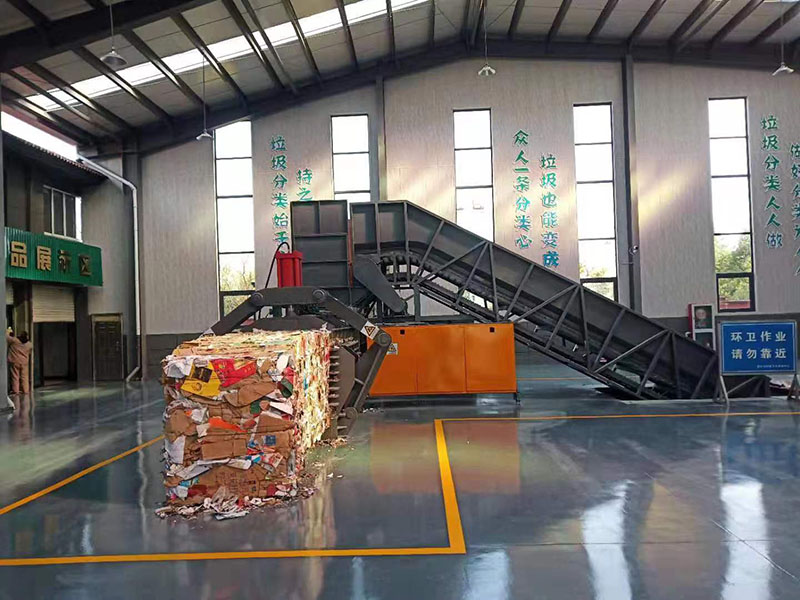
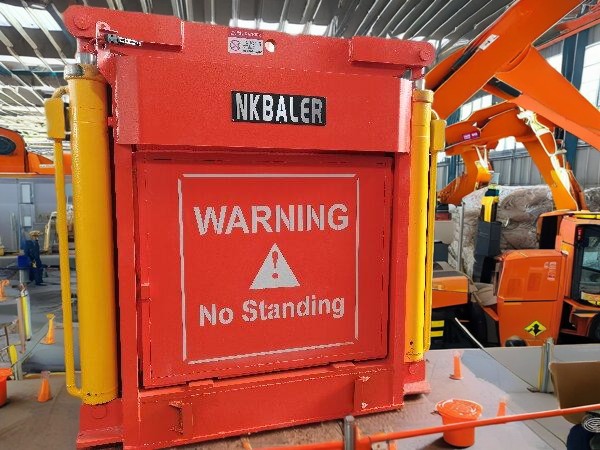
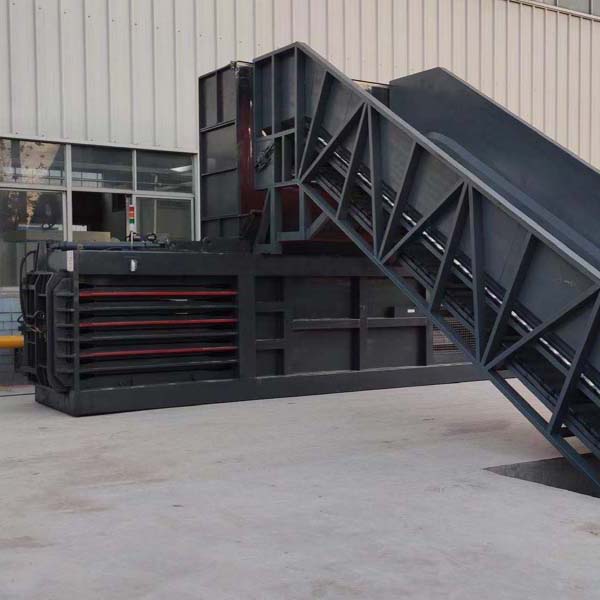
Safety is paramount with the NKW220BD Heavy Duty Horizontal Baler. It includes prominent safety features such as “No Standing” zones around moving parts, emergency stop buttons, and interlocking guards to prevent accidents. The user-friendly interface, complete with an intuitive control panel, allows operators to monitor pressure, cycle times, and bale dimensions effortlessly. This not only boosts productivity but also ensures compliance with industry safety standards. By integrating automated conveyor options, the baler minimizes manual labor, feeding materials smoothly into the compression chamber for consistent results.
One of the standout benefits of the NKW220BD Heavy Duty Horizontal Baler is its versatility. It can handle diverse waste types, adjusting compression force up to 220 tons to create bales weighing several hundred pounds each. This efficiency translates to fewer trips for transportation, lowering your carbon footprint and operational expenses. For businesses processing tons of recyclable materials daily, investing in the NKW220BD Heavy Duty Horizontal Baler means streamlined workflows and a greener operation.
Step-by-Step Guide: Setting Up Your NKW220BD Heavy Duty Horizontal Baler
Getting started with the NKW220BD Heavy Duty Horizontal Baler requires careful preparation to ensure safe and effective use. Begin by selecting an appropriate installation site. Choose a level, well-ventilated area with ample space—typically at least 20 feet by 15 feet—to accommodate the machine’s dimensions, which are roughly 30 feet long, 10 feet wide, and 12 feet high. Ensure the floor can support the baler’s weight, exceeding 50 tons, and verify access to a stable power source, usually 480-volt three-phase electricity, along with hydraulic oil reservoirs.
Next, assemble the components as per the manufacturer’s manual. Position the main frame securely using anchor bolts to prevent vibrations during operation. Connect the hydraulic hoses to the pump system, checking for leaks, and install the conveyor belt if your model includes it. For the NKW220BD Heavy Duty Horizontal Baler, wire the control panel to the electrical system, testing all sensors for proper functionality. Calibrate the pressure settings via the digital interface, starting at a conservative 100 tons and adjusting based on material type. Always wear personal protective equipment (PPE) like gloves, safety glasses, and steel-toed boots during setup.
Once assembled, conduct a pre-operational inspection. Verify that all safety interlocks are engaged, the emergency stop is accessible, and no loose parts are present. Run a dry cycle without materials to test the hydraulics and PLC controls. This initial setup phase for the NKW220BD Heavy Duty Horizontal Baler should take 4-6 hours for a skilled team, setting the foundation for reliable performance.
Operating the NKW220BD Heavy Duty Horizontal Baler: A Detailed How-To
Operating the NKW220BD Heavy Duty Horizontal Baler is straightforward once set up, but following these steps ensures optimal results and safety. Start by preparing your materials. Sort and shred larger items like cardboard boxes into uniform sizes to feed evenly into the hopper. Use the integrated conveyor to load waste continuously, maintaining a steady flow to avoid overloads—the baler can process up to 10 tons per hour depending on density.
Initiate the cycle from the control panel. Select the baling mode (automatic or manual) and input parameters such as bale size, typically 40x30x60 inches for standard applications. Press the start button to engage the hydraulic ram, which compresses the material horizontally against the chamber wall. Monitor the pressure gauge; the NKW220BD Heavy Duty Horizontal Baler will alert you if it exceeds safe limits. Once compressed, the bale is tied automatically with wire or twine, then ejected onto a platform or conveyor for removal.
For best practices, run batches of similar materials to maintain bale quality. Pause every 20-30 cycles to check for wear on seals and rams. The machine’s energy-efficient design recycles hydraulic fluid, but top off levels as needed. Train operators on troubleshooting common issues, like jams, by reversing the ram safely. With proper operation, the NKW220BD Heavy Duty Horizontal Baler can produce 50-100 bales per shift, significantly enhancing your recycling throughput.
Maintenance and Troubleshooting for Longevity with the NKW220BD Heavy Duty Horizontal Baler
To keep your NKW220BD Heavy Duty Horizontal Baler running at peak efficiency, a regular maintenance routine is crucial. Schedule daily checks: Inspect the conveyor belt for fraying, clean the hopper of debris, and lubricate moving parts with recommended grease. Weekly, test hydraulic fluid levels and pressure, replacing filters every 500 hours of use. Monthly deep cleans involve disassembling the compression chamber to remove residue, preventing buildup that could reduce performance.
Address common issues promptly. If the baler stalls, check for material blockages and clear them using the reverse function—never manually force components. For hydraulic leaks, shut down immediately and inspect hoses; replacements are straightforward with standard fittings. The NKW220BD Heavy Duty Horizontal Baler includes diagnostic codes on the panel to pinpoint errors, such as low oil or sensor failures. Professional servicing every six months ensures compliance and extends the machine’s lifespan beyond 10 years.
By adhering to these maintenance steps, you’ll minimize downtime and maximize ROI. Remember, safety warnings like “No Standing” during ejection cycles must be enforced to protect your team. Integrating the NKW220BD Heavy Duty Horizontal Baler into your operations not only streamlines waste management but also positions your business as a leader in sustainable practices.
Advanced Tips and Best Practices for Maximizing the NKW220BD Heavy Duty Horizontal Baler
To elevate your use of the NKW220BD Heavy Duty Horizontal Baler, consider customization options. Upgrade to a variable frequency drive for energy savings up to 30%, or add photo-eye sensors for automated feeding in high-volume settings. Track performance metrics like bales per hour and material density to refine processes—aim for 1,000 kg per cubic meter for optimal transport.
Pair the baler with downstream systems, such as bale wrappers or storage racks, for a complete recycling line. Train staff on eco-friendly practices, like segregating recyclables pre-baling, to boost purity rates. For multi-site operations, standardize protocols across NKW220BD Heavy Duty Horizontal Baler units to ensure consistency. These strategies can cut waste handling costs by 40% while supporting environmental goals.
In summary, the NKW220BD Heavy Duty Horizontal Baler is more than equipment—it’s a gateway to efficient, safe, and sustainable waste management. By following this guide, you’ll harness its full potential, driving productivity and profitability in your facility.
Recent Posts
Get In Touch With Us Now For A Product Quote


Hello! What do you need help with?