







Blog

Mastering Waste Management with NKW220BD Heavy Duty Horizontal Baler: A Comprehensive Guide
Mastering Waste Management: A Step-by-Step Guide to Using the NKW220BD Heavy Duty Horizontal Baler

In the fast-paced world of industrial recycling, the NKW220BD Heavy Duty Horizontal Baler stands out as a powerhouse for efficient waste compaction. This robust machine is designed to handle large volumes of recyclables like cardboard, paper, and other compressible materials, making it an essential tool for businesses aiming to streamline their operations. Whether you’re new to baler technology or looking to optimize your current setup, this guide will walk you through everything you need to know about selecting, installing, operating, and maintaining the NKW220BD Heavy Duty Horizontal Baler. By following these steps, you’ll enhance productivity, ensure safety, and contribute to sustainable practices in your facility.
Understanding the NKW220BD Heavy Duty Horizontal Baler: Key Features and Benefits
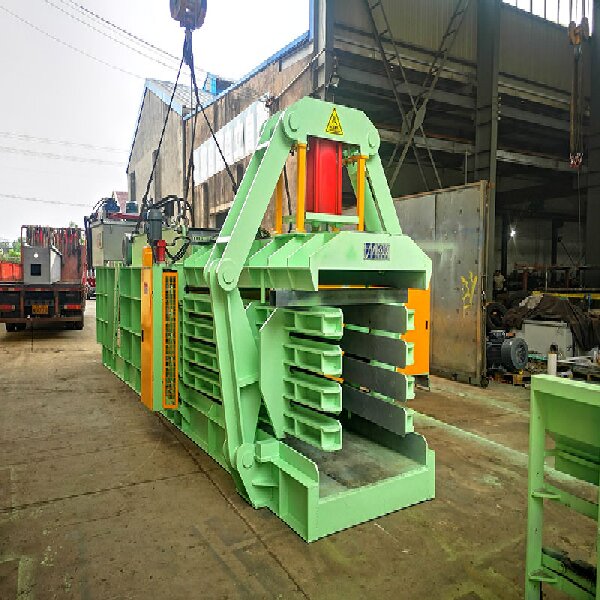
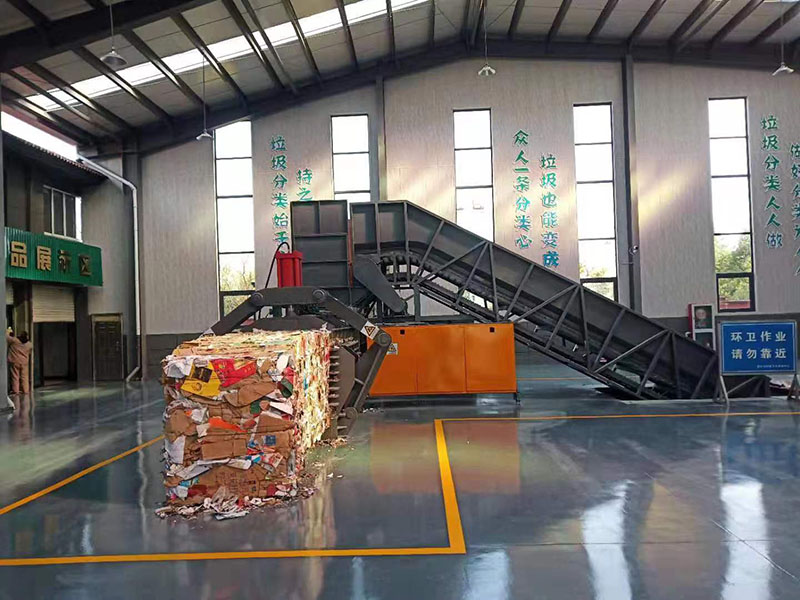
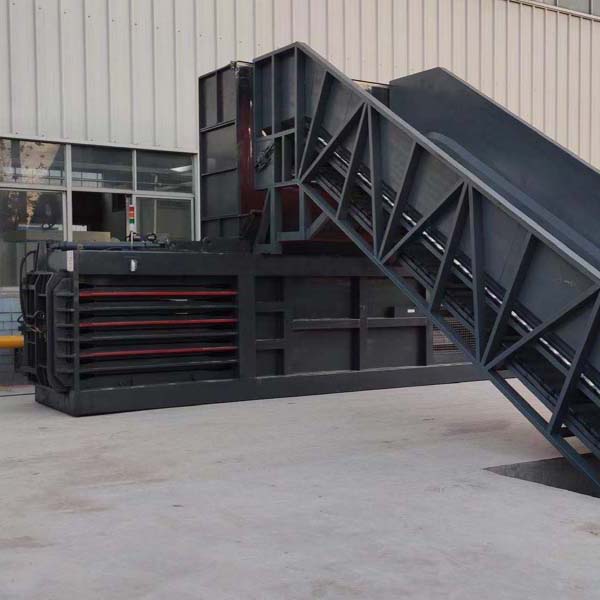
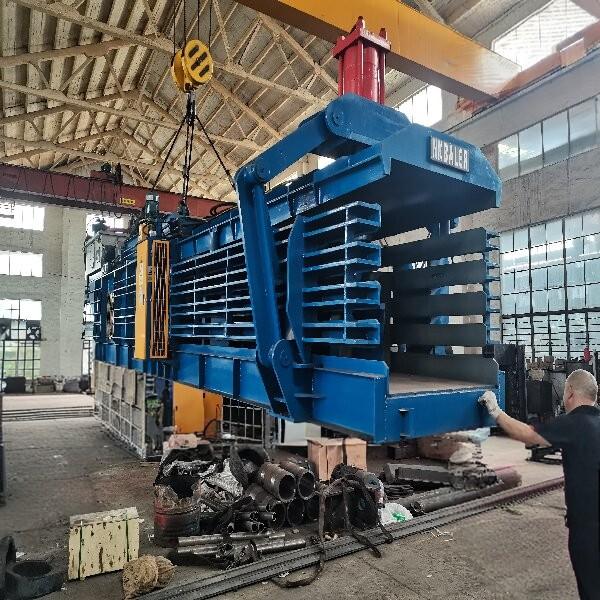
Before diving into the how-to, it’s crucial to grasp what makes the NKW220BD Heavy Duty Horizontal Baler a top choice for waste management. This hydraulically-driven machine features a heavy-duty conveyor system that seamlessly feeds materials into the compaction chamber, reducing manual labor and boosting efficiency. The advanced hydraulic press generates high-density bales, perfect for space-saving storage and cost-effective transportation. Its durable construction, with vibrant green and orange accents, not only adds a visual appeal to your industrial setting but also withstands demanding environments.
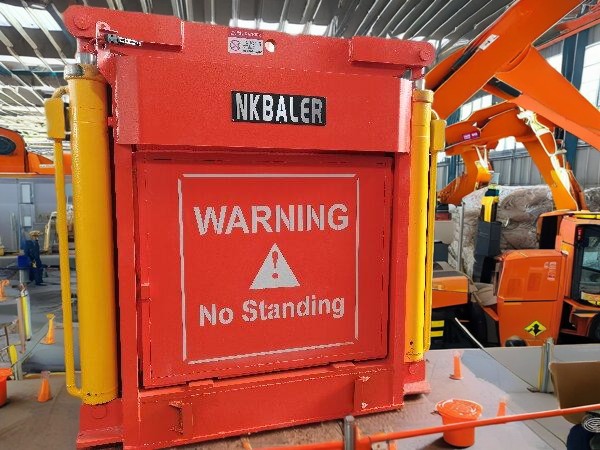
Safety is a core focus, with features like clear “No Standing” warnings and intuitive control panels that minimize risks. The NKW220BD Heavy Duty Horizontal Baler is ideal for large-scale facilities handling high volumes of waste, helping to lower operational costs while promoting environmental sustainability. By compacting materials precisely, it ensures recyclables are processed effectively, reducing landfill contributions and aligning with green initiatives. As you prepare to integrate this machine, consider how its user-friendly design can transform your workflow, making recycling a seamless part of daily operations.
Step 1: Selecting the Right NKW220BD Heavy Duty Horizontal Baler for Your Needs
The first step in leveraging the NKW220BD Heavy Duty Horizontal Baler is choosing the model that fits your facility’s requirements. Evaluate the types and volumes of waste you process—such as cardboard from packaging or paper from offices—to ensure compatibility. This baler excels with compressible materials, so assess your daily throughput; for high-volume operations, its powerful system can handle continuous feeds without downtime.
Consult with suppliers to confirm specifications like bale size, typically around 1100x1100x1200mm for optimal density, and power needs, which run on standard industrial electricity. Factor in space constraints; the horizontal design allows for easy integration into existing layouts. Budget-wise, while the initial investment is significant, the long-term savings from reduced hauling fees and efficient recycling make the NKW220BD Heavy Duty Horizontal Baler a smart choice. Once selected, review any custom options, such as enhanced safety interlocks, to tailor it to your safety protocols. This preparation ensures the machine aligns perfectly with your goals, setting the stage for smooth implementation.
Step 2: Installing the NKW220BD Heavy Duty Horizontal Baler Safely and Efficiently
Installation is a critical phase to ensure the NKW220BD Heavy Duty Horizontal Baler operates at peak performance. Begin by selecting a level, well-ventilated area in your facility with ample clearance for the conveyor and access panels—aim for at least 5 meters of space around the unit. Gather a team of qualified technicians and follow the manufacturer’s manual, which outlines anchoring the frame to the floor using heavy-duty bolts to prevent vibrations during operation.
Connect the hydraulic system to a reliable power source, ensuring all hoses and fittings are secure to avoid leaks. Integrate the conveyor belt by aligning it with your waste feeding point, such as from a sorting line, and test the electrical controls for proper wiring. Safety checks are non-negotiable: install emergency stop buttons and verify that safety gates engage correctly. Calibrate the sensors for material detection to automate the feeding process. After setup, run a dry test cycle without materials to confirm smooth operation. Proper installation not only maximizes the NKW220BD Heavy Duty Horizontal Baler’s efficiency but also complies with industry regulations, safeguarding your team from the outset.
Step 3: Operating the NKW220BD Heavy Duty Horizontal Baler: A Hands-On Guide
With installation complete, operating the NKW220BD Heavy Duty Horizontal Baler is straightforward, thanks to its intuitive interface. Start by powering on the machine and allowing the hydraulic system to warm up for 5-10 minutes. Load materials onto the conveyor—ensure they’re free of contaminants like metals to prevent damage. The automated feed system will pull items into the chamber; monitor the control panel for indicators showing when the chamber is full.
Initiate the compression cycle by pressing the start button; the powerful hydraulic ram will compact the load into a dense bale, typically taking 30-60 seconds per cycle depending on volume. Once formed, the bale is ejected onto a platform or tied off for storage. Always adhere to safety protocols: never stand in the ejection zone, and use protective gear. For optimal results, process in batches to maintain even pressure, and adjust settings for different material types—lighter for paper, firmer for cardboard. Regular monitoring prevents overloads, ensuring the NKW220BD Heavy Duty Horizontal Baler runs continuously with minimal interruptions. This step-by-step operation will quickly become second nature, turning waste into valuable recyclables effortlessly.
Step 4: Maintaining Your NKW220BD Heavy Duty Horizontal Baler for Longevity
To keep the NKW220BD Heavy Duty Horizontal Baler performing reliably, implement a routine maintenance schedule. Daily, inspect the conveyor for debris and lubricate moving parts as per the manual. Weekly, check hydraulic fluid levels and top up with the recommended oil to maintain smooth pressing action. Clean the chamber after each shift to avoid buildup that could affect compaction quality.
Monthly deep maintenance includes examining belts and seals for wear, tightening any loose fittings, and testing safety features like interlocks. Schedule professional servicing every six months to calibrate the hydraulic system and replace filters, ensuring peak efficiency. Track usage logs to predict part needs, such as rams or sensors. By staying proactive, you’ll extend the machine’s lifespan, reduce unexpected breakdowns, and sustain the high productivity the NKW220BD Heavy Duty Horizontal Baler promises. This diligence not only cuts costs but also keeps your facility eco-friendly and operational.
Advanced Tips and Troubleshooting for the NKW220BD Heavy Duty Horizontal Baler
For users seeking to maximize the NKW220BD Heavy Duty Horizontal Baler, consider advanced integrations like automated tying systems for faster bale handling or IoT sensors for real-time monitoring. If issues arise, such as uneven baling, check for material inconsistencies or hydraulic pressure variances—adjust as needed. Slow operation might indicate fluid contamination; flush the system promptly. Always reference the troubleshooting guide in the manual or contact support for complex problems.
Training your staff thoroughly on these aspects ensures consistent performance. By incorporating these tips, your facility can achieve even greater efficiency, making the NKW220BD Heavy Duty Horizontal Baler a cornerstone of innovative waste management. Embracing this technology not only boosts your bottom line but also positions your business as a leader in sustainable practices, ready to handle the demands of tomorrow’s recycling challenges.
In conclusion, following this guide equips you to fully utilize the NKW220BD Heavy Duty Horizontal Baler, transforming waste management into a streamlined, safe, and sustainable process. With its robust design and user-centric features, this machine is more than equipment—it’s a partner in efficiency.
Recent Posts
Get In Touch With Us Now For A Product Quote


Hello! What do you need help with?