







Blog

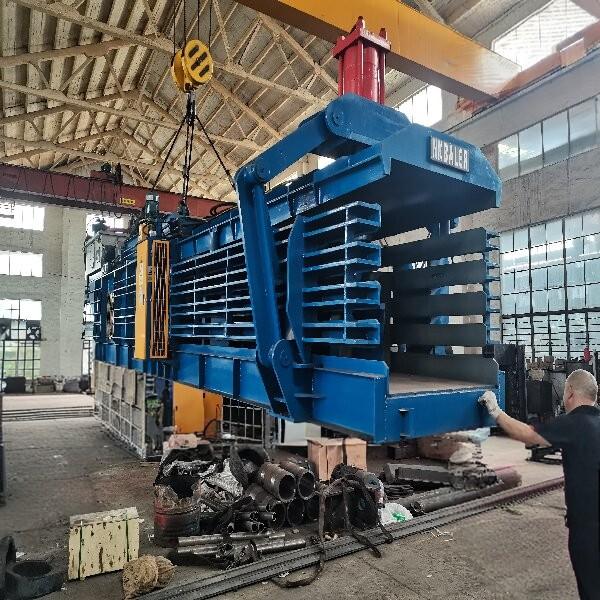
Maximize Efficiency with NKW220BD Heavy Duty Baler
Ultimate Guide: How to Maximize Efficiency with the NKW220BD Heavy Duty Horizontal Baler

In today’s fast-paced industrial landscape, optimizing waste management is crucial for sustainability and cost savings. The NKW220BD Heavy Duty Horizontal Baler stands out as a game-changer for businesses handling large volumes of recyclables like cardboard, plastics, and other materials. This powerful machine combines advanced engineering with user-friendly features to streamline your operations. Whether you’re running a recycling center or a manufacturing facility, integrating the NKW220BD Heavy Duty Horizontal Baler can significantly reduce downtime and boost productivity.
Understanding the Key Features of the NKW220BD Heavy Duty Horizontal Baler
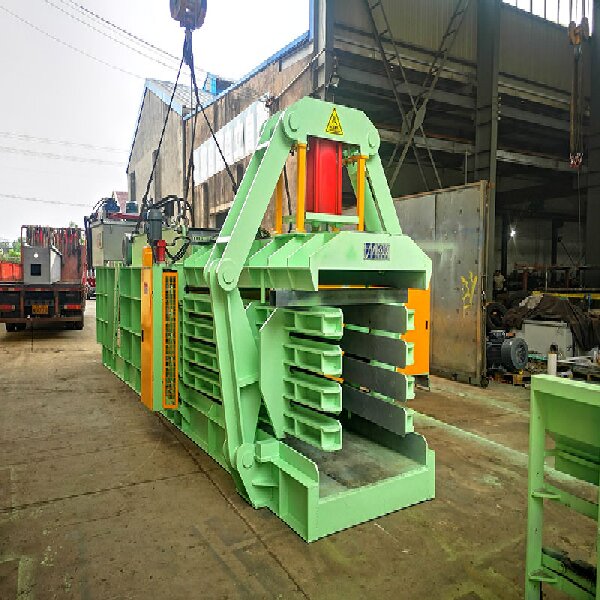
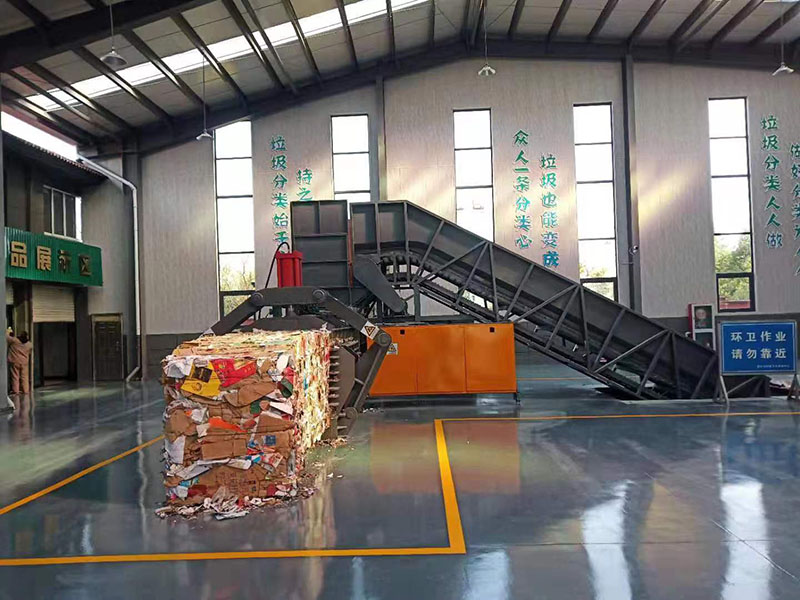
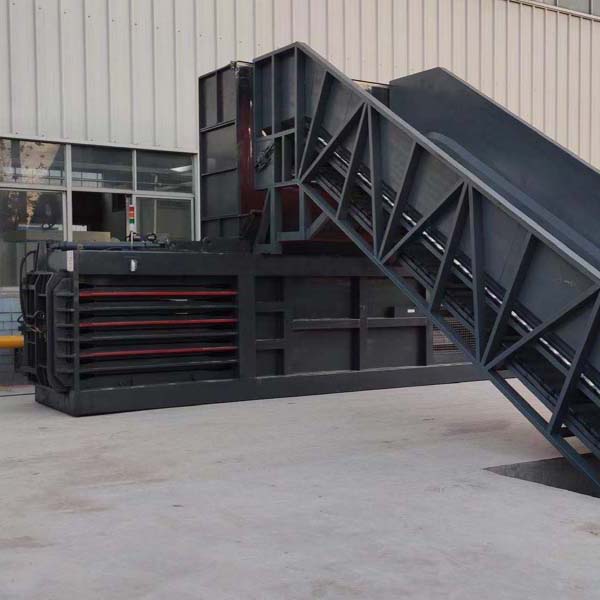
Before diving into the setup and operation, it’s essential to familiarize yourself with the core components of the NKW220BD Heavy Duty Horizontal Baler. This machine boasts a reinforced frame constructed from high-grade steel, ensuring it withstands the rigors of heavy-duty use. At its heart is a high-capacity hydraulic system that delivers powerful compression, capable of processing up to several tons of material per hour. The design incorporates a robust conveyor system that feeds materials smoothly into the baling chamber, minimizing manual intervention and enhancing safety.
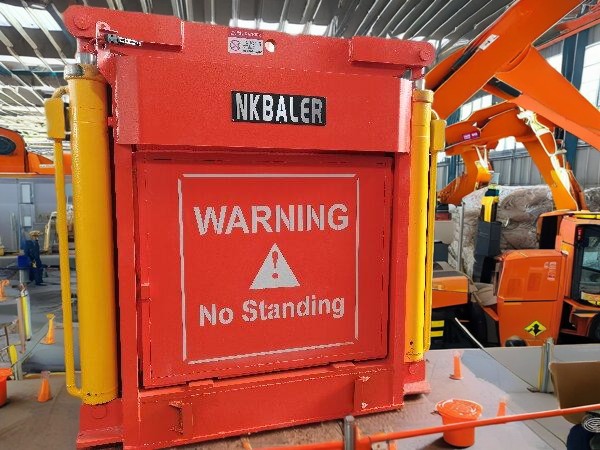
Safety is paramount with the NKW220BD Heavy Duty Horizontal Baler. Prominent warnings like “No Standing” zones are clearly marked on the vivid orange safety panels, alerting operators to high-risk areas. The control panel is strategically placed for easy access, featuring intuitive buttons and indicators that allow for quick adjustments. Additionally, automated processes such as bale ejection and tying mechanisms reduce the need for constant supervision, making it ideal for large-scale operations. By understanding these features, you’ll appreciate how the NKW220BD Heavy Duty Horizontal Baler integrates seamlessly into workflows focused on efficiency and environmental responsibility.
Step-by-Step Installation Guide for the NKW220BD Heavy Duty Horizontal Baler
Setting up the NKW220BD Heavy Duty Horizontal Baler requires careful planning to ensure optimal performance and safety. Begin by selecting a suitable location in your facility—one with ample space for the machine’s dimensions (typically around 10 meters in length) and easy access for material loading and bale removal. Ensure the floor can support the baler’s weight, which exceeds several tons, and verify compliance with local electrical and hydraulic standards.
Next, uncrate the NKW220BD Heavy Duty Horizontal Baler and position it using a forklift or overhead crane. Connect the hydraulic hoses to the power unit, checking for any leaks or loose fittings. The electrical setup involves linking the machine to a dedicated power source, usually 380V three-phase, and grounding it properly to prevent hazards. Install the conveyor system by aligning it with the feeding hopper, securing it with bolts provided in the kit. Once assembled, run a test cycle without materials to calibrate the sensors and hydraulics. This initial setup should take 4-6 hours for a team of two, but consulting the provided manual is key to avoiding errors. Proper installation not only extends the lifespan of the NKW220BD Heavy Duty Horizontal Baler but also ensures it operates at peak efficiency from day one.
Operating the NKW220BD Heavy Duty Horizontal Baler: A Detailed How-To
Operating the NKW220BD Heavy Duty Horizontal Baler is straightforward once you’re trained, promoting a safe and efficient workflow. Start by powering on the machine via the main switch and allowing the hydraulic system to warm up for 5-10 minutes. Load materials onto the conveyor using a forklift or automated feeder; the NKW220BD Heavy Duty Horizontal Baler handles various types, from cardboard to textiles, thanks to its adjustable chamber.
Monitor the filling process through the transparent viewing panels. When the chamber reaches capacity, initiate the compression cycle by pressing the start button on the control panel. The hydraulic rams will exert up to 220 tons of force, forming dense bales measuring about 1.1m x 1.1m x variable length. The machine automatically ties the bales with wire or twine, then ejects them onto a discharge conveyor. Always adhere to safety protocols: maintain a clear zone around the machine, wear protective gear, and never bypass interlocks. For optimal results, process materials in consistent batches to avoid jams. Regular cycles can produce 30-50 bales per shift, dramatically cutting storage needs and transport costs.
To fine-tune operations, adjust pressure settings based on material type—lower for softer items like paper, higher for denser plastics. The NKW220BD Heavy Duty Horizontal Baler includes diagnostic lights to alert you to issues like low oil or sensor faults, allowing quick resolutions. With practice, operators can achieve seamless runs, transforming waste into valuable recyclables while minimizing environmental impact.
Maintenance Tips to Keep Your NKW220BD Heavy Duty Horizontal Baler Running Smoothly
Maintaining the NKW220BD Heavy Duty Horizontal Baler is vital for longevity and reliability, preventing costly breakdowns. Schedule daily checks: inspect hydraulic fluid levels and top up with the recommended ISO VG 46 oil if needed. Clean debris from the conveyor and chamber to avoid buildup that could impede movement. Lubricate moving parts like hinges and pistons weekly using grease fittings provided.
Monthly maintenance involves deeper inspections. Examine the hydraulic hoses for wear and replace any cracked ones immediately. Check the cutting knives for sharpness; dull blades reduce efficiency, so sharpen or replace them as per the manual. Test the electrical components, ensuring all relays and sensors function correctly. The NKW220BD Heavy Duty Horizontal Baler features easy-access panels for these tasks, reducing downtime to under an hour per session.
For annual servicing, engage a certified technician to overhaul the hydraulic pump and seals. Track usage hours via the built-in counter to predict part replacements. By following this routine, you can expect the NKW220BD Heavy Duty Horizontal Baler to deliver years of trouble-free service, supporting your sustainability goals with minimal interruptions. Proactive care not only saves money but also ensures consistent output in your recycling operations.
Integrating the NKW220BD Heavy Duty Horizontal Baler into Your Facility’s Workflow
To fully leverage the NKW220BD Heavy Duty Horizontal Baler, integrate it thoughtfully into your existing processes. Assess your material flow: position the baler near high-volume waste sources to shorten transport times. Pair it with shredders or sorters for pre-processing, enhancing bale quality and value.
Train your team comprehensively—cover operation, safety, and troubleshooting to build confidence. Implement a logging system to monitor bale production and material types, aiding in inventory management. The NKW220BD Heavy Duty Horizontal Baler supports automation interfaces, allowing connection to PLC systems for hands-off control in advanced setups.
Finally, measure ROI by tracking metrics like reduced hauling fees and increased recycling revenue. Many users see payback within 12-18 months. By embedding the NKW220BD Heavy Duty Horizontal Baler into your operations, you’ll foster a greener, more efficient facility that aligns with modern eco-standards.
In summary, the NKW220BD Heavy Duty Horizontal Baler is more than equipment—it’s a strategic asset for waste management excellence. Follow these steps to install, operate, and maintain it effectively, unlocking its full potential for your business.
Recent Posts
Get In Touch With Us Now For A Product Quote


Hello! What do you need help with?