







Blog

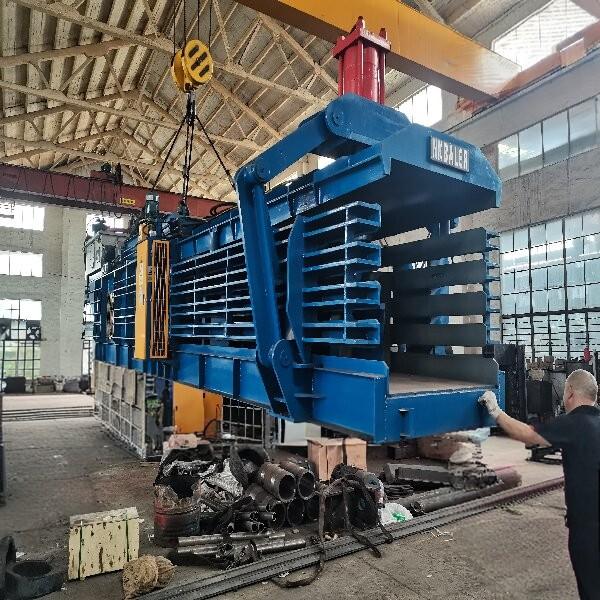
Revolutionize Waste Management with a Wheat Straw Baler
Wheat Straw Baler technology is revolutionizing the way farmers and industrial operators handle agricultural waste, addressing the growing challenges of efficiency and sustainability in modern farming. In an era where waste management directly impacts productivity and environmental health, ineffective handling of wheat straw can lead to significant issues such as storage inefficiencies, increased transportation costs, and environmental pollution. This article explores these problems and highlights practical solutions through innovative machinery designed to streamline operations and promote eco-friendly practices.

The Challenges of Managing Wheat Straw
Wheat straw, a byproduct of harvesting, often piles up in large, loose volumes that are difficult to store and transport. Farmers frequently face the problem of straw taking up valuable space on their land, leading to potential fire hazards and nutrient loss in the soil if not managed properly. Additionally, the lack of proper baling can result in higher costs for disposal or recycling, as loose straw is inefficient to handle and process. For instance, without a reliable straw baling machine, operators might spend excessive time and labor manually compressing and bundling straw, which not only slows down operations but also increases the risk of injury. Straw baling machine solutions are essential here, as they automate the process, but many traditional methods fall short in terms of mobility and capacity. Small straw baler options exist, yet they often lack the power for large-scale use, exacerbating the problem for bigger farms. Automatic straw baler advancements promise to mitigate these issues, but accessibility and affordability remain barriers for many. Wheat hay baler technology, similar in concept, underscores the need for specialized tools that can handle the density and volume of straw without compromising on speed.
Innovative Solutions for Straw Baling
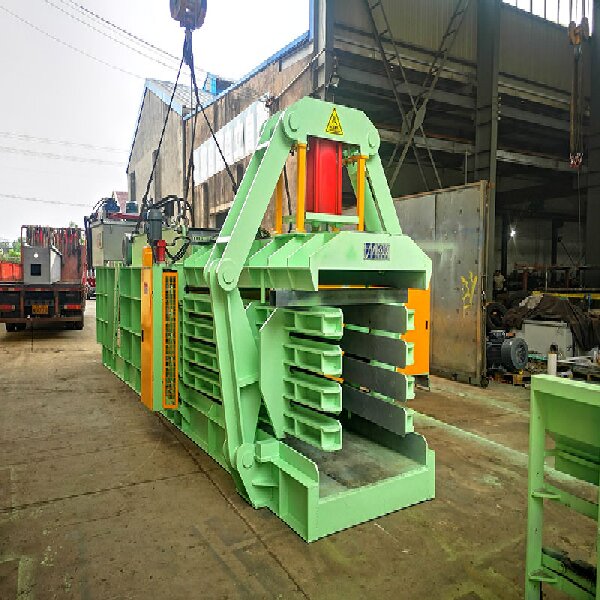
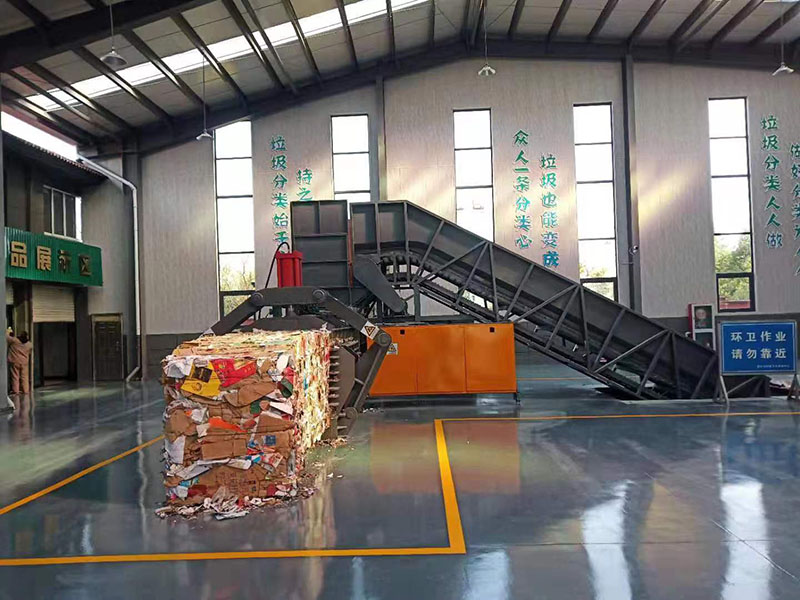
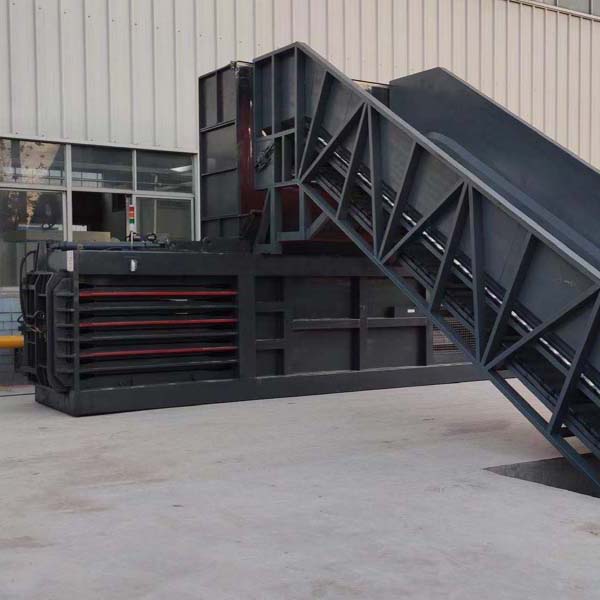
To combat these challenges, advanced wheat straw baler systems offer a comprehensive solution that enhances efficiency and reduces waste. One standout option is the mobile compressed straw block machine, which is engineered for easy transportation and high-capacity processing. This machine addresses the core problem of immobility in traditional balers by featuring sturdy tires that allow it to be moved across fields or between sites effortlessly. By transforming loose wheat straw into compact blocks, it minimizes storage space requirements and makes transportation more cost-effective, directly solving the logistical nightmares faced by farmers. The precision-engineered compression chamber ensures that straw is baled uniformly, preventing issues like uneven density that can lead to bales breaking apart during handling. Equipped with a user-friendly control panel and hydraulic technology, this automatic straw baler reduces downtime and boosts productivity, making it ideal for operations of all sizes. Straw baling machine innovations like this not only streamline the baling process but also align with sustainable practices by converting waste into reusable resources, such as animal bedding or biofuel materials.
Exploring Advanced Features and Benefits
Beyond basic functionality, products like the vertical baler and vertical hydraulic baler provide even more targeted solutions for wheat straw management. The vertical baler, for example, optimizes space in storage facilities by compressing straw vertically, which is particularly useful in urban farming settings where land is limited. This addresses the problem of overcrowding in warehouses, where loose straw can create safety hazards and impede workflow. The vertical hydraulic baler’s robust steel construction and advanced hydraulic system ensure durability and powerful compression, handling large volumes with ease and reducing the physical strain on workers. Small straw baler variants of these machines are perfect for smaller operations, offering a scalable solution that doesn’t overwhelm limited resources. Wheat hay baler features, integrated into these designs, allow for versatile use across different types of straw, ensuring that farmers can adapt to varying crop yields without needing multiple machines. By incorporating these technologies, users can significantly cut down on waste volume, lower their carbon footprint, and even generate additional revenue streams through recycled materials. The intuitive controls and safety features make these machines accessible, solving the common issue of operator training and reducing errors in the field.
The Long-Term Impact on Agriculture
Implementing a wheat straw baler system not only resolves immediate problems but also paves the way for long-term sustainability in agriculture. With automatic straw baler capabilities, farmers can automate repetitive tasks, freeing up time for more strategic activities like crop planning and soil management. This shift leads to increased overall farm efficiency, as less time is wasted on manual labor and more is dedicated to innovation. Straw baling machine usage also promotes environmental stewardship by minimizing straw burning, a practice that contributes to air pollution and climate change. In wheat hay baler applications, the compacted bales can be used in erosion control or as organic mulch, turning a waste product into a valuable asset. As the industry evolves, the adoption of these solutions highlights a commitment to eco-friendly practices, ensuring that agriculture remains viable for future generations. Overall, by choosing the right wheat straw baler, operators can achieve a balance between productivity and planetary health, making it a worthwhile investment for any agricultural endeavor.
Recent Posts
Get In Touch With Us Now For A Product Quote


Hello! What do you need help with?